Raised garden beds are transforming modern home gardening, offering improved soil, easier plant care, and less back strain compared to traditional in-ground plots. With a surge in interest—especially in metal and galvanized systems—many homeowners and urban gardeners are weighing the pros, cons, and costs of these elevated setups.
Key Takeaways
- Raised garden beds have surged in popularity, with metal and galvanized options leading innovation due to their durability and low maintenance.
- Metal beds offer longevity and modern style but can have unique issues like heat buildup, corrosion, and sharp edges—requiring careful selection and setup.
- Pricing, installation, safety, and maintenance vary widely by material and brand; understanding technical specs is essential for a successful and safe garden.
- What Are Raised Garden Beds? Why Are They So Popular?
- How to Choose and Set Up Raised Garden Beds (Step-by-Step)
- Advanced Analysis: Common Pitfalls of Raised Beds
- Conclusion
- FAQ
What Are Raised Garden Beds? Why Are They So Popular?
Raised garden beds are freestanding gardening structures that sit above ground level, filled with high-quality soil. By keeping plants elevated, these beds give precise control over drainage, soil fertility, and pest prevention. metal raised garden beds in particular are gaining strong traction due to durability, sleek aesthetics, and low maintenance compared with wood.
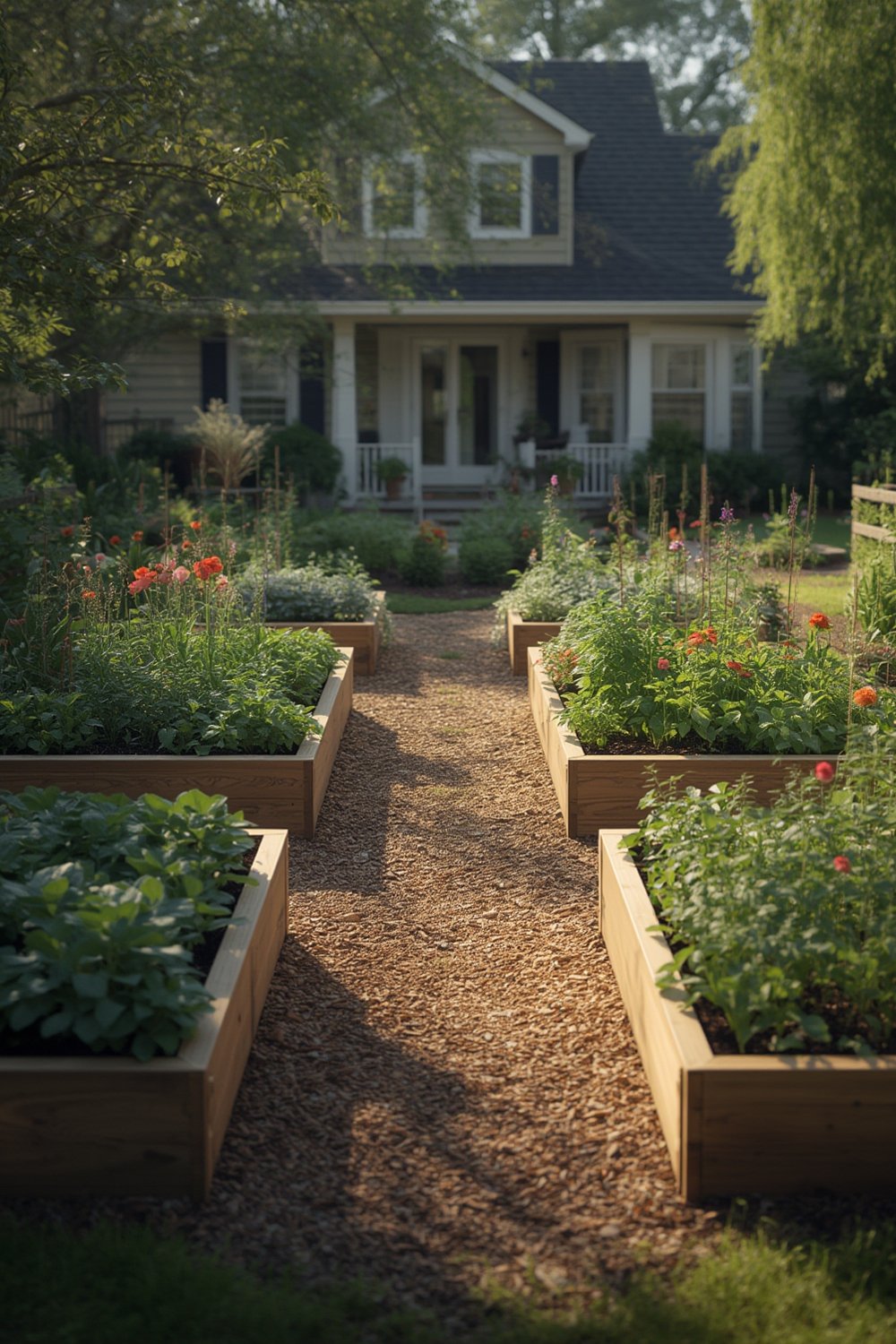
This popularity is backed by striking statistics. The raised garden beds market reached USD 1.5 billion in 2024 and is forecast to double by 2033. Over 34% of U.S. home gardeners now use raised beds, with metal and galvanized steel leading recent innovations. Increasing concerns about wood rot, chemical treatments, and maintenance fuel demand for modern metal systems, which now offer advanced modularity, warranty coverage, and eco-friendly construction (market source).
For those who want more time tending plants and less time managing garden problems, raised beds—especially in metal formats—present a clear solution.
How to Choose and Set Up Raised Garden Beds (Step-by-Step)
Setting up raised garden beds the right way can set you up for years of healthy, easy-to-manage harvests. Here is a realistic, actionable process for choosing and installing raised beds, especially if you are considering a metal or galvanized model.
- Pick the right spot: Choose a location that gets at least 6-8 hours of sun and is close to a water source. Avoid areas with standing water or roots.
-
Choose your bed material and size:
- Metal raised garden beds provide long life and clean lines. Look for powder-coated or galvanized steel at least 0.6–1.0 mm thick with capped edges for safety. Beds should be at least 8-12 inches deep for most crops; go deeper for root vegetables.
- Compare with self watering planters if you want less maintenance or a hybrid watering system.
- Wood and recycled composite beds are also common. Choose only rot-resistant wood, such as cedar or redwood, and avoid beds made with toxic chemicals.
- Prepare the ground: Clear weeds and level the surface. If placing over sod or poor soil, consider laying cardboard or landscape fabric to suppress weeds while promoting decomposing organic matter.
-
Assemble the bed carefully:
- Follow instructions precisely. Many users of metal beds report issues with misaligned holes or sharp edges—wear gloves and use a file to smooth rough spots. Look for models with pre-punched holes and quality hardware.
- Add internal cross-braces to long metal beds to prevent bowing.
- If assembling an elevated bed, ensure the legs and bottom can safely hold moist soil weight—most need strong frames and drainage holes every 6–12 inches.
-
Install optional liner (for metal beds):
- To reduce soil-to-metal contact and heat transfer, line the inside walls (never the bottom) with food-safe plastic, geotextile fabric, or thin untreated wood planks. This is helpful in hot climates or if you use acidic fertilizers.
-
Fill with appropriate soil:
- Use a blend of compost, topsoil, and drainage materials. Avoid filling metal beds with only dense clay or unamended native soil.
- See our guide on compost tumblers to create your own nutrient-rich compost at home.
-
Set up irrigation and accessories:
- Many new kits have integrated irrigation channels or “smart” watering attachments that connect to timers. Consider drip lines for even moisture or a planter with reservoir for water efficiency.
- Install staking or trellis systems as needed for climbing plants.
- For nighttime ambiance, pair beds with solar outdoor lights for garden visibility and curb appeal.
- Plant and mulch: Water plants in, then mulch to retain soil moisture and regulate temperature.
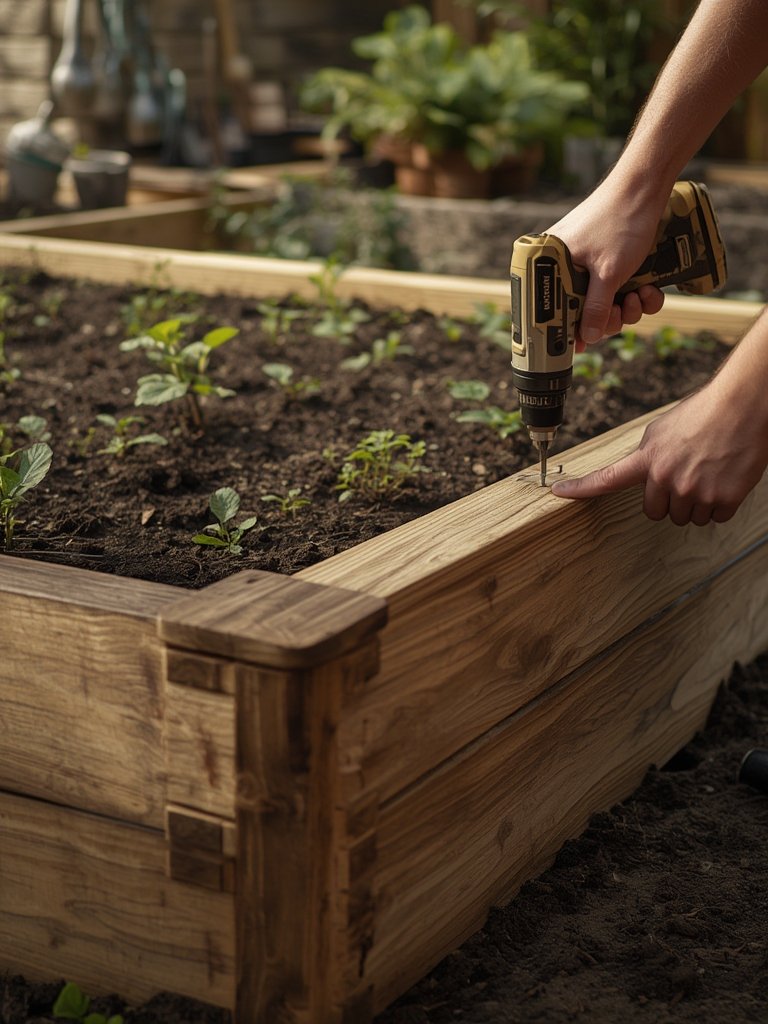
For those seeking premium convenience, many 2024 metal and composite beds now feature tool-free modular design, integrated irrigation, and accessibility-focused formats. These advances make installation easier and reduce the learning curve for beginners.
Cost-wise, expect to pay roughly USD 100–180 for quality 4×8 foot metal or cedar beds—see Section 3 for exact price ranges and comparisons with alternative materials.
For other flexible outdoor solutions, consider modular outdoor furniture for adaptable and coordinated garden spaces.
Advanced Analysis: Common Pitfalls of Raised Beds
Even the best raised garden beds come with challenges, particularly with metal or galvanized designs. Understanding these potential issues is critical before investing time and money.
Metal Raised Beds: Issues, Costs, and Alternatives
| Problem | Details | How to Prevent or Fix |
|---|---|---|
| Corrosion & Rust | Rust often appears at seams, chip points, or where cut edges are exposed — accelerated in humid or coastal areas. | Choose powder-coated or thick-gauge galvanized steel, inspect for edge protection, avoid scraping coating, and line inner walls if needed. |
| Excess Heat & Soil Stress | Metal soaks up sun — dark or thin beds may overheat, drying soil and causing root stress. | Pick light colors, line with foam or wood, make beds wider/deeper, and mulch for insulation. |
| Assembly Complications | Sharp edges, unclear instructions, misaligned holes, or wobbly frames especially in DIY metal kits. | Wear gloves, deburr edges, double-check parts, use higher quality tools/hardware, and check for included cross-braces. |
| Panel Bowing or Bed Flex | Long sides may bow under soil load if not braced — elevated beds risk sagging bottoms. | Add cross-braces, intermediate posts, or choose shorter bed lengths. |
| Safety and Ergonomics | Sharp top edges can cause injuries. Some beds are uncomfortably low or high for users. | Look for beds with capped or rolled edges and choose the right height for users’ needs. |
| Cost Comparison |
| Compare warranties and material thickness — sometimes premium wood or composite is a better fit than thin metal. |
| Safety: Metal Leaching | Concerns about zinc or metals entering soil (mainly in very acidic/high-salt conditions or if coatings fail). | Use beds as intended, keep soil pH neutral (6–7), and line with food-safe material if concerned. See safety guidance. |
Several top-ranking articles gloss over these technical details. Few discuss steel thickness, actual corrosion data, or load capacity for elevated beds. Most do not mention how local climate or soil pH can drastically impact bed longevity and plant safety.
For best results, always check warranty terms, the presence of edge/corner protection, and local extension guidance regarding metals and edibles (learn more here).
For a lower-maintenance alternative, consider integrating a robot lawn mower nearby to keep your garden surroundings neat without extra work.
Conclusion
Raised garden beds are a proven way to boost crop success, convenience, and garden aesthetics, especially in small or challenging spaces. Metal and galvanized formats bring unique advantages—durability, style, and modular assembly—but also introduce heat management, assembly, and safety considerations that need real planning. Understanding your climate, material specs, and installation steps ensures your investment pays off for years.
To start your best garden yet, research options carefully, compare cost versus features, and make sure your raised garden beds fit your own maintenance and design needs. Ready to upgrade your growing space? Explore our guides or contact us for tailored recommendations.
FAQ
Are metal raised garden beds safe for growing vegetables?
Yes, modern galvanized steel beds are considered safe for edibles if used as intended. Zinc is a plant micronutrient, and research indicates low release rates in neutral soils. To be extra cautious, keep soil pH between 6 and 7, avoid acidifying amendments against bare metal, and use an internal liner if concerned.
How long will a galvanized steel raised bed last?
With quality materials and proper setup, expect service life of 10–20 years or more in average climates. In humid, salty, or acidic environments, longevity can be lower unless premium coatings and thicker steel are used.
What size and depth should my raised bed be?
A typical vegetable bed is 3–4 feet wide and 8–12 inches deep, allowing easy access and strong root growth. Go deeper for root crops and ensure at least 10–12 inches of soil in elevated beds for mixed veggies.
Do metal beds get too hot for plants?
In direct sun, metal beds can cause higher soil and wall temperatures that stress roots near the edges. To minimize this, use light colors, add internal liners, mulch well, and make beds at least 18–24 inches wide when possible.
What is the difference between elevated and ground-level raised beds?
Elevated beds sit on legs or frames and raise plants waist-high, ideal for accessibility but higher cost and less soil volume. Ground-level beds rest directly on the ground and support deeper rooting and larger planting areas.