Modular outdoor furniture has become a top trend for flexible patios and backyards, with demand surging in 2024 as homeowners and commercial spaces look for customizable solutions that adapt to changing needs and layouts. If you want a patio setup that grows with you—or just crave the freedom to rearrange for every gathering—understanding the realities, materials, and pitfalls of modular patio seating is crucial.
Key Takeaways
- The modular outdoor furniture market is growing fast, with flexible, customizable seating driving demand in both residential and commercial spaces.
- Material quality, weatherproofing, and connector design heavily impact lifespan and ease of rearrangement.
- Common pitfalls include mismatched add-ons, premature wear, and disappointment from cheaper sets; buy smart and plan for expansion up front.
- What Is Modular Outdoor Furniture and Why Is It in Demand?
- Step-by-Step Guide: Choosing and Using Modular Outdoor Sectionals
- Advanced Analysis & Common Pitfalls
- Conclusion
- Frequently Asked Questions
What Is Modular Outdoor Furniture and Why Is It in Demand?
Modular outdoor furniture refers to sofas, sectionals, and seating groups designed as separate modules—corner, armless, ottoman—that can be reconfigured to fit changing needs. You can start small and expand, rearrange for parties, or swap a few seats for ottomans. This flexibility makes it ideal for patios, balconies, rooftops, restaurants, and coworking spaces. In 2024, the global outdoor furniture market is expected to surpass USD 53 billion, with modular and customizable seating among the top growth drivers.
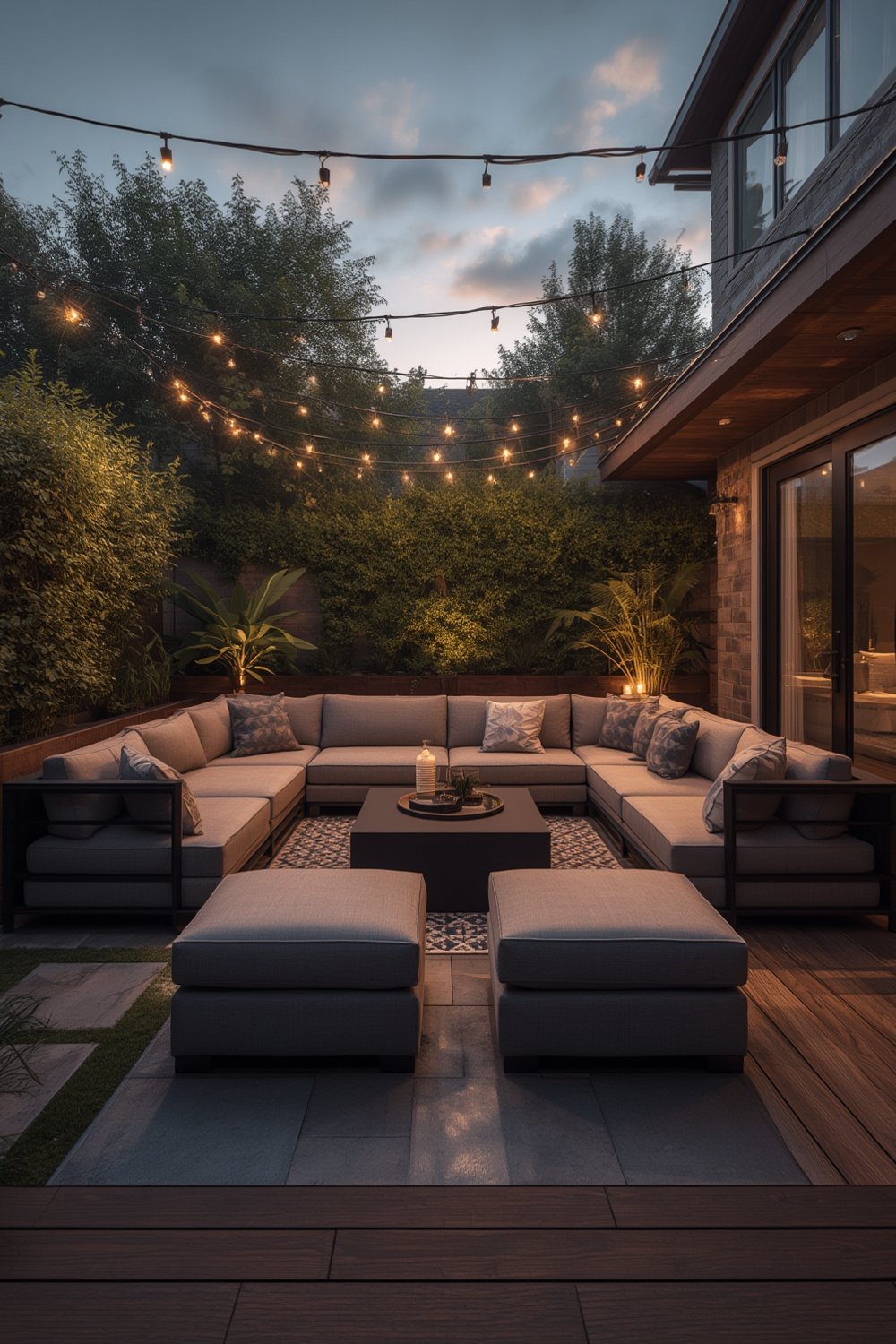
Whether labeled as a modular patio seating group, outdoor sectional sofa, or rearrangeable outdoor couch, these systems stand out for:
- Adaptability – Easily change layouts as your family or event needs shift.
- Space efficiency – Fit compact balconies or open large group spaces.
- Expansion – Add more seats, corners, or tables over time (at least in theory; some caveats apply below).
This flexibility resonates with both homeowners (62% now prioritize outdoor living areas—a trend also shaping self watering planters and solar outdoor lights) and the hospitality sector. However, what makes these systems so appealing also leads to unique buying and maintenance challenges.
Step-by-Step Guide: Choosing and Using Modular Outdoor Sectionals
-
Assess your space and lifestyle needs
Measure your patio, deck, or rooftop carefully. Decide how many seating modules fit—and whether you want ottomans, tables, or armless sections. Consider how often you’ll want to reconfigure: daily (for events), seasonally, or rarely. -
Choose construction materials for your climate
In coastal or humid areas, choose marine-grade powder-coated aluminum or teak frames to prevent rust or rot. For intense sun, prioritize solution-dyed acrylic fabrics and UV-stabilized HDPE or PE wicker. -
Check modularity and connector design
Look for symmetrical seat bases (all same height/depth) and robust, easy-to-use under-frame or clamp connectors. Skimpier systems or budget imports often lack secure joining hardware, leading to seats sliding apart—one of the top modular furniture complaints. -
Consider cushion quality and weatherproofing
Demand quick-dry foam and removable, machine-washable cushion covers. The best-performing sets use solution-dyed acrylics (such as “Sunbrella”-type fabrics) for UV resistance and stain protection, as well as quick-dry reticulated foam. -
Research real-world durability
Scan customer reviews for evidence of frame failures, cushion flattening, or color fading. If planning for commercial or heavy use, ask vendors about ANSI/BIFMA ratings and flame resistance. Learn from common pitfalls discussed below. -
Understand pricing and plan for expansion
Mass-market modular outdoor furniture (4-6 piece sets) ranges from USD 500-$1,200. Quality mid-tier runs USD 1,200-$3,000; premium/contract sets are USD 3,000+.
Buy extra modules up front if you expect to expand (adding later may result in mismatched colors or discontinued lines). -
Set up, maintain, and reconfigure
Follow manufacturer instructions for assembly and anchoring modules. Clean frames and cushions per climate and usage.
Mix-and-match possibilities skyrocket when you plan layouts and specify your preferred seat heights and depths up front. Also, check if modular accessories like tables or storage ottomans are compatible for your brand/series.
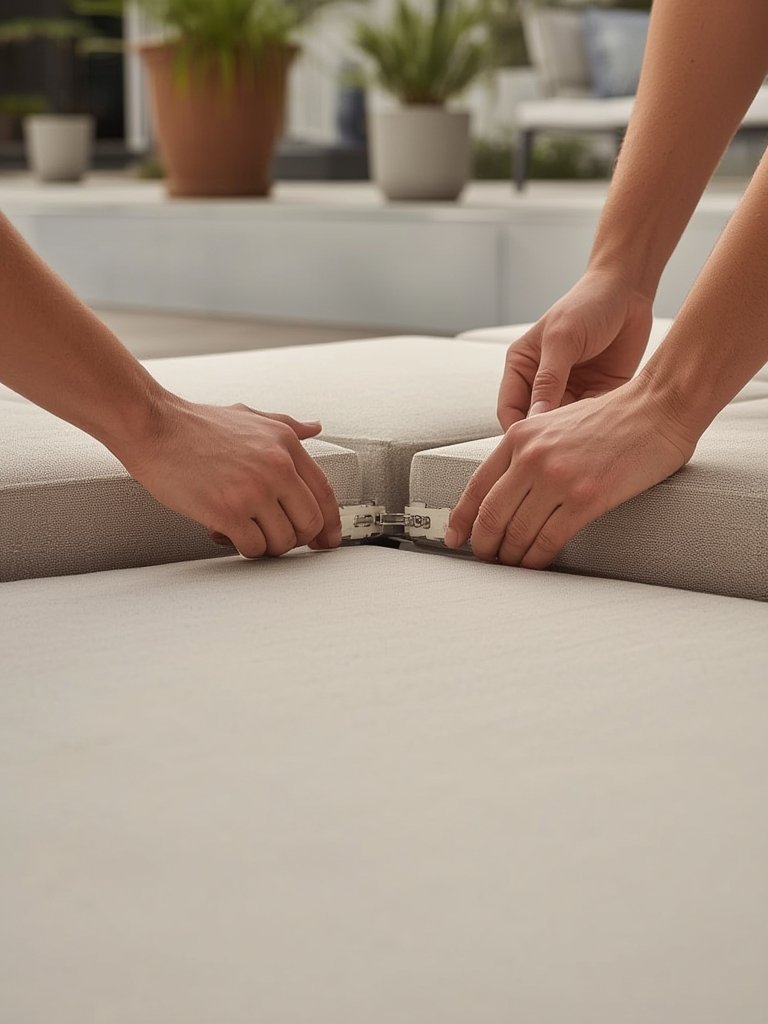
For more hands-on guides about functional outdoor living, see our recommendations on fire pit tables and outdoor storage boxes, which often complement modular sectionals in both residential and commercial settings.
Advanced Analysis & Common Pitfalls
Despite their flexibility, modular outdoor sectionals often invite specific headaches. Real-world reviews and market data highlight the most frequent issues:
| Problem | Why It Happens | How to Avoid |
|---|---|---|
| Rusting or Frame Damage | Poor powder coating, thin-gauge steel, or cheap hardware; fatal in coastal climates | Buy marine-grade powder-coated aluminum, HDPE, or teak; insist on stainless fasteners |
| Cushion Flattening & Waterlogging | Low-density foam, lack of drainage, polyester fabrics | Choose quick-dry reticulated foam + solution-dyed acrylics; removable covers for easy care |
| Color Fade & Mismatched Expansions | Pricedriven polyester fabrics; dye batches shift between seasons | Pick neutral, solution-dyed fabrics; buy expansion pieces early |
| module sliding & misalignment | Weak/absent connectors, uneven decks, poor manufacturing tolerance | Choose brands with robust connector hardware and symmetrical modules |
| Hard-to-Find Replacement Parts | Collection discontinued after 2-5 years; little support for past lines | Favor brands with strong aftersales, timeless finishes, and open-ended expansion policies |
| Assembly Frustration | Complex hardware, weak instructions, mis-labeled parts | Read assembly guidance before purchase; check for pre-assembled or ‘knock-down’ units |
It pays to study these before buying—especially if you’re investing for multi-year use or commercial settings. Many pitfalls echo those found with other customizable outdoor options like raised garden beds.
- Commercial or hospitality buyers should always specify ANSI/BIFMA-rated frames and flame-resistant cushions. These are not typically detailed in standard product pages but can be essential for code compliance and insurance.
- Climate compatibility gets overlooked. If your outdoor space faces freeze-thaw cycles, tropical humidity, or coastal salt air, pick the frame/material stack (frame + connector + fastener + cushion) specifically rated for those exposures. As emphasized in industry research, material selection truly depends on your environment.
- Expansion is rarely seamless over several years. Even top brands change finishes and textiles every 2-4 years, as noted in commercial furniture market reports.
If you need to expand your setup in the future, this aspect is often easier within 1-2 seasons. After that, expect to compromise on finish or fabric matching. For persistent and precise expansion, select lines with neutral, timeless styling—and order spare modules or cushion covers early.
Conclusion
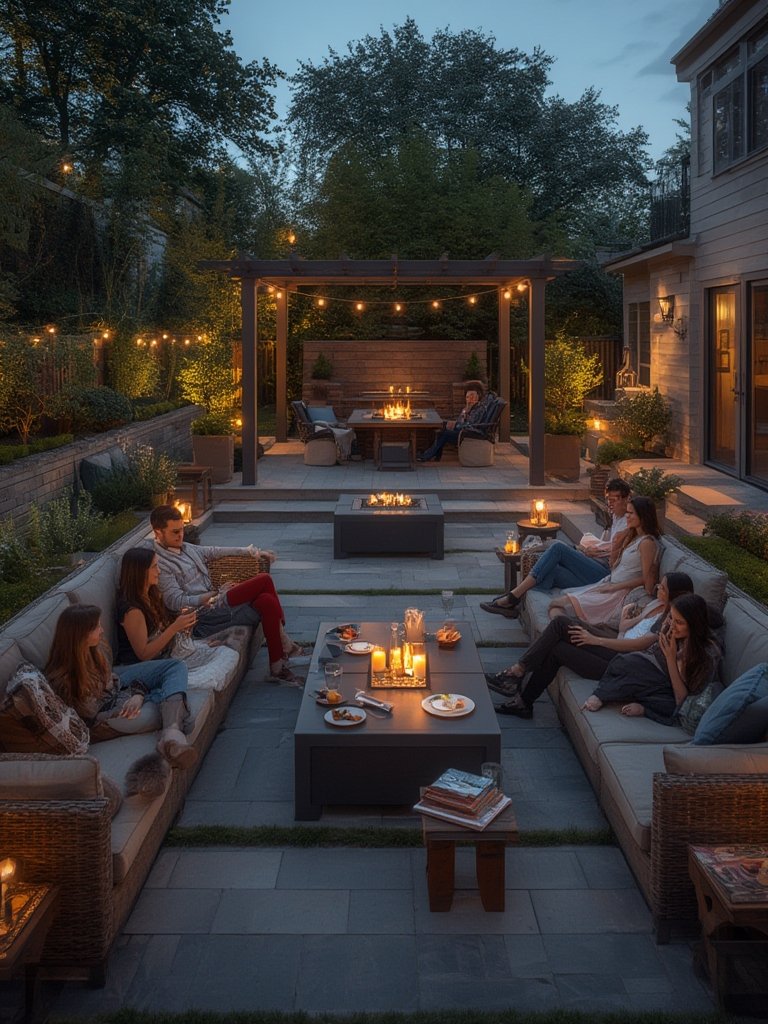
Today’s demand for flexible spaces has solidified modular outdoor furniture as the go-to choice for patios, rooftops, cafes, and event venues. As this trend accelerates, success means knowing the strengths—and limitations—of each system. Specify the right frame and fabrics for your climate, prioritize robust modular connections, buy for future expansion, and review real-world pitfalls ahead of your purchase. If you need versatile seating without regret, take the lessons above and invest in modular outdoor furniture designed for both your current needs and long-term satisfaction.
Ready to design your space with confidence? Explore our tips and find the perfect modular outdoor furniture setup for your home or business. And don’t forget to review other ways to enhance your outdoor living, like our guides to standing desk converters for indoor/outdoor work and indoor grow lights for bringing the green inside.
Frequently Asked Questions
What materials last longest for modular outdoor furniture?
Marine-grade powder-coated aluminum, HDPE, and quality teak frames last longest, especially when matched with stainless steel hardware and solution-dyed acrylic fabrics. These combinations offer the best weather resistance and durability across a variety of climates.
Can I add modules from the same brand after a few years?
Compatibility is best within 1-2 seasons of your original purchase. Beyond that, color and finish changes (and discontinued collections) can make exact matches difficult. Always check with the manufacturer about future add-on options and buy extras if expansion is a priority.
How do I keep my modular outdoor seating from sliding apart?
Choose sets with robust under-frame or clamp connectors. For budget sets without strong hardware, try non-slip mats or furniture grippers. Avoid placing on highly polished or uneven decks without extra anchoring.
What is the typical lifespan of modular outdoor sectional sofas?
Mid-tier residential sets often last 3-5 years with proper care. Premium, contract-grade systems used in hospitality venues are designed for similar refresh cycles but can physically last much longer if maintained. Lower-end mass-market sets may show issues within 1-2 years.
Are modular outdoor couches as comfortable as traditional sofas?
Quality modular sectionals can be just as comfortable, provided the cushions use high-density, quick-dry foam, and ergonomic backing. However, some budget modular systems have shallower seats and less supportive foam, so always test for your personal comfort or check detailed specs before buying.