Looking for the best way to conquer clutter and weather challenges outdoors? The weatherproof deck box is the go-to solution for homeowners seeking reliable, stylish storage that endures rain, sun, pests, and tough seasons. But not all patio storage containers deliver on their promises. In this guide, explore real data, proven tips, and the unfiltered truth—so you buy smart and avoid costly disappointments.
Key Takeaways
- Outdoor storage boxes differ greatly in waterproofing, durability, and assembly—research before you buy.
- Check weatherproofing features, verified load ratings, and actual box dimensions for the best fit and performance.
- Condensation, pests, and misleading “gallon” labels are easily overlooked problems—smart buyers know what to check upfront.
- What Is an Outdoor Storage Box and Why Do You Need One?
- Step-by-Step Guide: Choosing and Installing an Outdoor Storage Box
- Advanced Analysis & Common Pitfalls
- Conclusion
- FAQ
What Is an Outdoor Storage Box and Why Do You Need One?
An outdoor storage box, sometimes called a weatherproof deck box, is designed to keep your patio, garden, or deck organized and your gear protected. These boxes store everything from cushions and pool toys to garden tools, barbecue gear, and pet supplies. The global market for these products surpassed USD 2.4 billion in 2024—proof of their popularity.
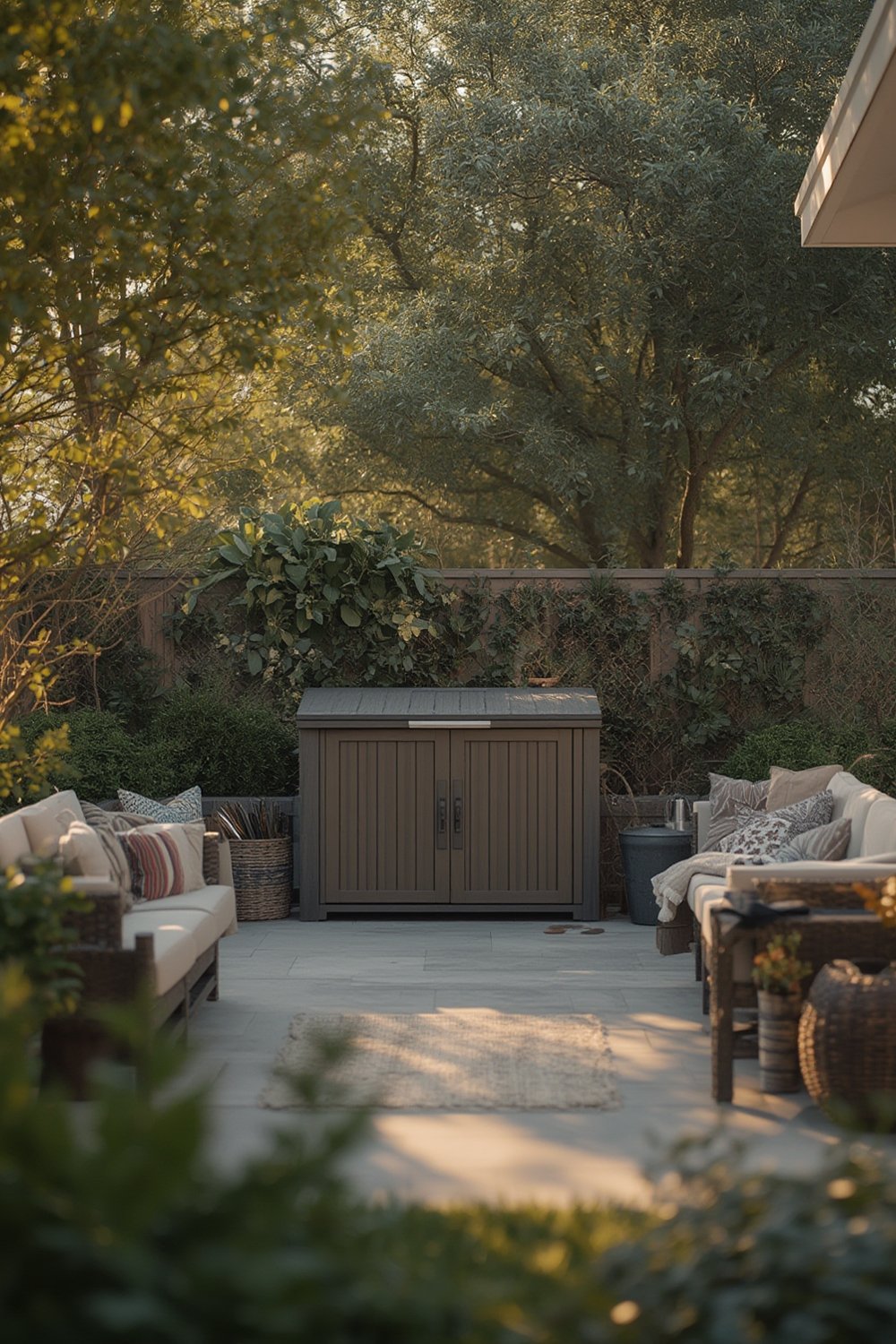
The main appeal? Secure, weather-protected storage that frees up indoor space and helps your patio or yard stay neat, safe, and attractive. With more outdoor living and DIY projects, these units are everywhere—from suburban backyards to urban balconies. But not every patio storage container lives up to the “weatherproof” hype. Some models disappoint in heavy rain, harsh sun, or cold temperatures, while others let in mice or grow mold inside.
So if you’re evaluating a deck box for garden tools, pool gear, or plush cushions, it pays to understand what sets a top performer apart. Many users discover the differences too late—so let’s break it down step-by-step.
Step-by-Step Guide: Choosing and Installing an Outdoor Storage Box
- Measure Your Space and Storage Needs
- Decide exactly what you’ll store (cushions, hose, gardening kit, grilling accessories, etc.).
- Measure both the largest item and your available space (deck, patio, side yard).
- Factor in box opening/closing clearance and access for assembly.
- Select by Material and Weatherproofing Quality
- For toughest weather, look for HDPE or thick, double-wall resin with UV protection.
- Real wood boxes (like cedar or teak) look great, but usually need sealants and regular care, and can still get damp inside.
- Ensure your choice includes a lid gasket or full-perimeter seal—not just an overlapping lid.
- If you want additional features, consider a box with reinforced hinges, lockable metal hasp, and covered vents.
- Read User Reviews and Test Data Carefully
- Check independent reviews and buyer-uploaded photos of the precise model you’re considering.
- Look for reports about leaks, fading, hinge failure, and assembly problems.
- If storing heavy items or using as a bench, confirm real load ratings—don’t rely on marketing photos of people sitting.
- Compare Actual Storage Capacity
- Don’t trust “gallon size” alone—check true inner measurements and see if box fits your thickest patio cushions, long tools, or gear.
- Consider visiting the store with your largest item, or use cardboard templates to check before buying online.
- Check for Pest and Condensation Protection
- Look for tight panel fits, covered or baffled vents, and solid—not slatted—base.
- Balanced ventilation is ideal to avoid mold or mildew inside from trapped humidity—especially for storing outdoor fabric and cushions.
- Review Assembly Instructions and Plan Help if Needed
- Read the assembly manual before purchase (many brands post PDFs online).
- Assess tools required and label clarity. Assembly can often take longer than claimed, especially solo.
- Choose the Best Spot and Prepare the Surface
- Pick a flat, well-drained spot; avoid low areas where water pools near the box base.
- Place box on level pavers, decking, recycled rubber pads, or composite footings—not directly on bare soil.
- anchor or secure box if Needed
- If theft is a risk or you expect high wind, select boxes with anchor points or plan to add non-permanent ground anchors.
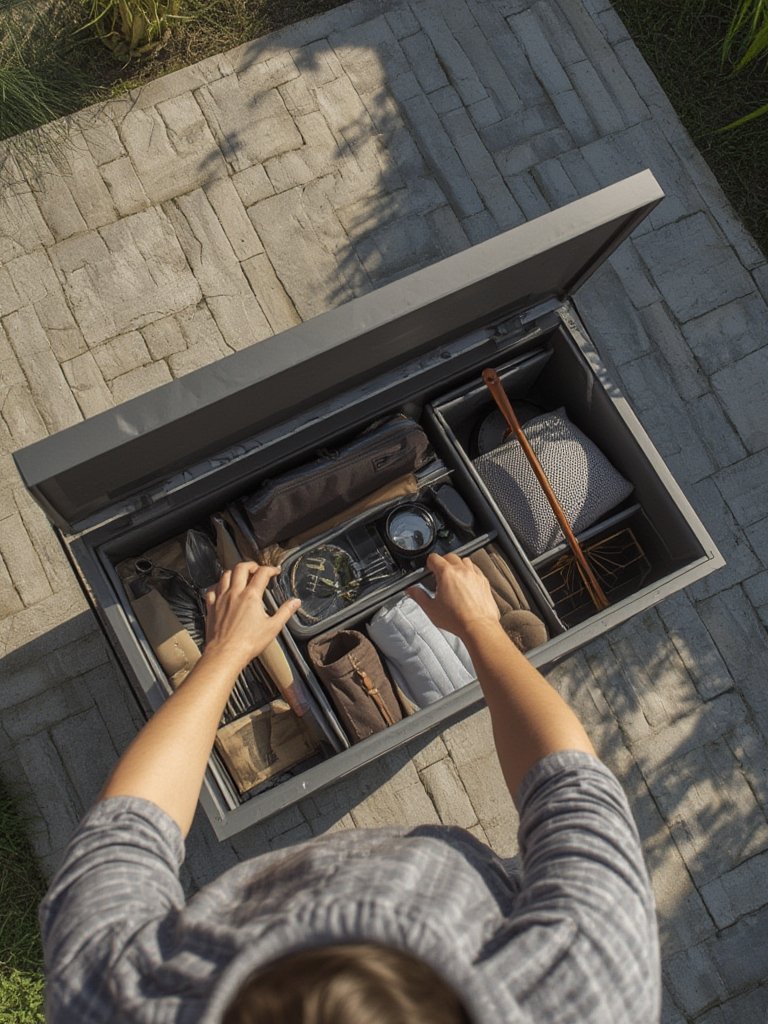
For more outdoor upgrades—like self watering planters or solar outdoor lights to boost eco-friendly design—explore our practical guides across the site. These storage solutions make a huge difference when paired with low-maintenance garden setups and modern lighting.
Advanced Analysis & Common Pitfalls
Even when following the steps above, buyers run into issues due to confusing marketing, overlooked technical details, or real-world usage. Here’s what the research and thousands of reviews reveal—so you can avoid disappointment:
Waterproof (Or Not? Most Failures Explained)
- Lid Leakage: Many “weatherproof” deck boxes only resist light rain. Water enters at the lid-body gap, especially when wind drives rain sideways or snow piles up. Models with a foam or rubber gasket fare much better.
- Panel Seams & Base Wicking: Water can seep through untaped or poorly joined side panels—or wick up at the base if placed on wet ground or mulch.
- Condensation: Completely “sealed” boxes often develop mildew due to trapped humidity, particularly when storing outdoor fabric and cushions. Lack of any venting is as problematic as leaky vents.
Material & UV Resistance Issues
- Color fading & chalking: Cheap resins often fade to gray or white in one summer, becoming brittle and unappealing. Pay more for HDPE or UV-stabilized resin blends.
- Cracking & Warping: Single-wall plastic warps under summer heat or winter snow. Thin lids may crack if you sit on them, even briefly, if seating isn’t verified by testing.
- Wood Boxes: Beautiful, but need sanding, sealing, and sometimes inside-liners to be truly weather resistant. Left untreated, most wood boxes will gray, swell, or peel quickly.
Pest Entry and Security Shortcomings
- Insects & Rodents: Many boxes have big vent slots or gaps at joints and bases. Mice and ants easily enter—especially when storing pet food, seed, or plush items.
- Locks are Often Weak: Many “lockable” boxes accept only tiny padlocks and use thin plastic loops that snap under pressure. Only pay for true metal-reinforced lock points if you need real security.
Assembly Headaches
- Assembly can take twice as long as advertised, especially when working alone. Thin resin tabs, unclear instructions, and misaligned holes are routine complaints.
- For best results, check for part labeling, well-drilled alignment points, and downloadable manuals before buying.
Capacity and Real-World Usability
- The “gallon” measurement rarely matches your actual storage needs. Modern outdoor cushions are much deeper than old-fashioned ones, and a “150 gallon” box may only fit two chair sets, not a full couch configuration.
- Always check internal dimensions against what you plan to store.
Comparison: Truly Weatherproof vs Basic Container
| Aspect | Weatherproof Deck Box | Basic Patio Storage |
|---|---|---|
| Lid Seal | Continuous gasket or compression seal | Simple overlap; open gaps |
| Joints | Tongue-and-groove, overlapping | Butt joints or snapped panels |
| Floor | Raised, solid, ribbed | Thin, flat or slatted |
| Material | HDPE with UV stabilizer | Thin polypropylene |
| Structure | Double-wall, reinforced | Single thin wall, flexes |
| Hardware | Metal, powder-coated, gas struts | Plastic, no rating |
| Pest Control | Tight tolerances, baffled vents | Visible gaps at corners/vents |
For even more outdoor upgrades that boost function and aesthetics, see our recommendations for modular outdoor furniture and raised garden beds—each of which faces its own weather and durability pitfalls, just like storage boxes.
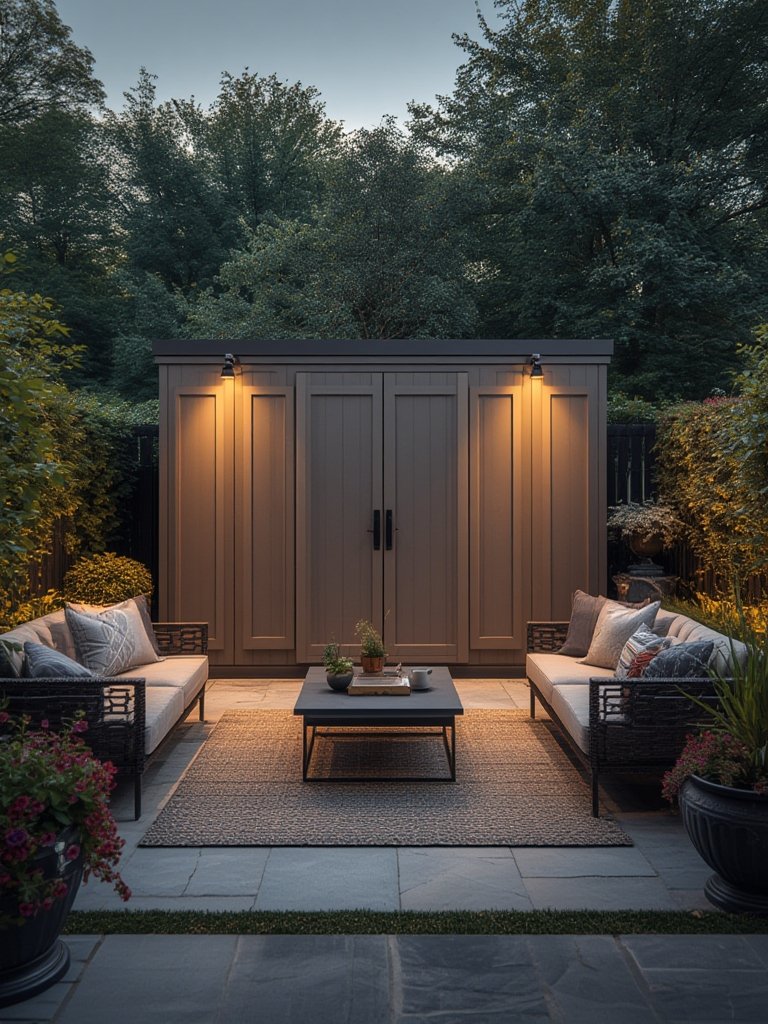
Price Ranges and Value Drivers
- Basic resin boxes (≤50 gallons): $40–$90. Medium (51–100 gallons, the top segment) runs $70–$250, while premium seating or large capacity can reach $400+.
- Wood and metal versions cost more and demand more upkeep.
- Features like gas lifts, reinforced locks, or stylish finishes raise costs—but don’t always translate to better weather resistance.
- For full breakdowns and growth trends, view the latest research at Verified Market Research or MarketIntelo.
Common Unmet Needs and Real-World Frustrations
- Marketing promises “waterproof”—in reality, most are water-resistant at best.
- Owners expect color-stable, fade-free finishes; even higher-end boxes can suffer cosmetic decline by year three.
- Bench use is popular, but weight ratings are often unclear; cracked lids are common where cheap plastics are used.
- Assembly can lead to headaches—especially with fragile snap joints or poor labeling.
- Rodent or insect infestations are possible if panel joints or vents are wide.
Conclusion
Outdoor storage boxes are a practical investment—when chosen wisely. The best results come from verifying real weatherproofing details, not just marketing claims. Prioritize lid seals, robust materials, pest resistance, and clarity in capacity and assembly. Check for verified sun, load, and pest test data whenever possible. Whether for gear, cushions, or garden organization, the right outdoor storage box will prevent headaches and deliver true value for years.
Ready to tidy up your space for the next season? Review our latest buying guides for innovations like robot lawn mowers and indoor grow lights for the ultimate low-maintenance patio upgrade. Choose smart—and enjoy more outdoors, less stress.
FAQ
Are outdoor storage boxes really waterproof?
Most are water-resistant, but true waterproofing requires a continuous gasket and well-designed overlapping joints. Always check for lid seals and read independent reviews. Even with good sealing, condensation can cause problems inside if there’s poor ventilation.
What size outdoor storage box should I get?
Measure the largest item you plan to store and check the box’s internal dimensions—don’t just rely on gallon ratings. Medium (51–100 gallons) boxes meet most patio storage needs, but cushions or longer items may require a larger design.
Can I sit on my outdoor storage box?
Only sit if the box is explicitly rated for seating and has a reinforced lid. Many “bench” models overstate their load capacity; look for specified weight limits (250–600 lb) and double-wall or ribbed construction.
How can I stop mildew from forming inside?
Balance waterproofing with controlled ventilation. Baffled or covered vents allow humidity to escape without letting in rain. Avoid storing damp items and consider adding a mini hygrometer to track moisture levels.
Will mice or bugs get inside my deck box?
Better-sealed and tight-fitting boxes with covered vents resist pests, but very few are 100% pest-proof. Avoid open-base or slatted designs, and choose models with minimal panel gaps to reduce the risk.