Looking for smarter patio organization? An outdoor storage box is the backbone of clutter-free, weatherproof outdoor living. Here’s what actually works—and what to watch out for—before you buy or upgrade your garden storage chest in 2024.
Key Takeaways
- Resin and plastic dominate the outdoor storage box market for their weather resistance and affordability, but they have real-world downsides in UV-heavy or freezing climates.
- Design details like overhanging lids, sealed seams, and raised bases make a bigger difference for water and pest resistance than marketing promises or capacity claims.
- Most competitor guides miss critical issues like objective waterproof testing, long-term durability costs, and safe accessibility—this guide covers what they don’t.
- What Is an Outdoor Storage Box and Why Do You Need One?
- How to Pick and Use an Outdoor Storage Box: Step-by-Step Guide
- Advanced Analysis & Common Pitfalls: Picking the Right Weatherproof Deck Box
- Conclusion: Make Your Storage Work Year-Round
- FAQ
What Is an Outdoor Storage Box and Why Do You Need One?
An outdoor storage box—also called a weatherproof deck box or patio storage container—is a sturdy, sealed chest built to keep cushions, tools, pool gear, and outdoor toys safe from rain, bugs, and sun damage. The 2024 market report shows these boxes are surging as outdoor living rooms become the norm and patios double as home offices, gyms, and play zones. Resin and plastic dominate for their durability and ease of upkeep, with 51–100 gallon capacity boxes the bestseller for most homes.
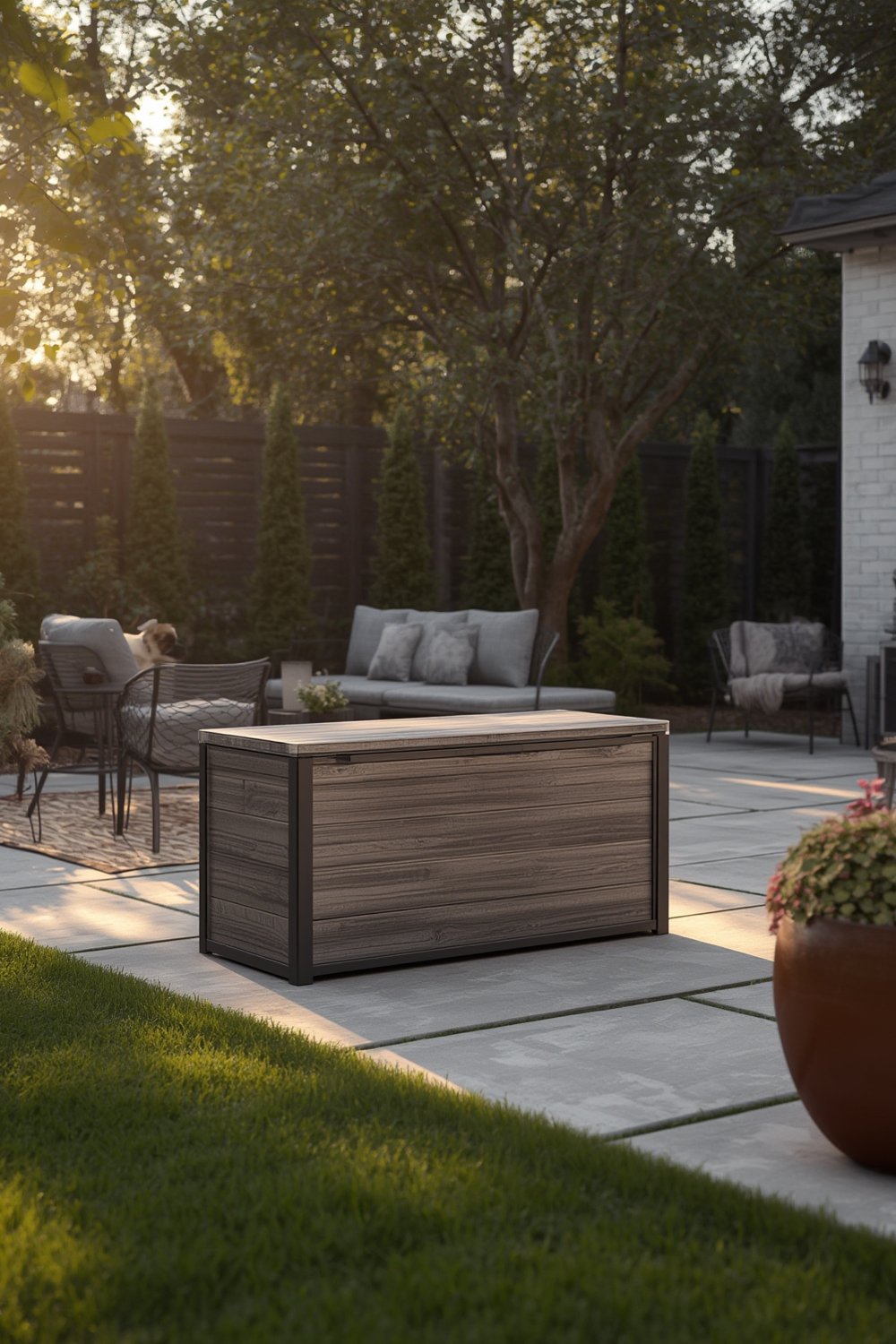
Why use one? If you’re sick of wet cushions, lost tools, or a backyard that looks like a toy tornado hit, an outdoor storage box hides the mess and helps everything last longer—without running back and forth to the garage. It’s not just about organization: well-chosen boxes keep contents cleaner, drier, and safer year-round, freeing up indoor space and transforming patios into functional, uncluttered extensions of your home.
Looking for other outdoor upgrades? Try solar outdoor lights to illuminate storage paths, or explore raised garden beds for organized planting alongside your storage chest.
How to Pick and Use an Outdoor Storage Box: Step-by-Step Guide
Step 1: Define Your Storage Needs
- What will you keep inside—cushions, garden tools, pool floats, or all three? Inventory your items and measure the biggest ones.
- Use real product measurements, not just gallon claims. (Pro tip: Many “120 gallon” boxes won’t hold a full set of thick sofa cushions.)
Step 2: Choose the Best Material for Your Climate
- Resin/plastic is best for low-maintenance and weatherproofing, but susceptible to cracking in deep cold and fading in extreme sun. Look for UV-resistant labels.
- Wood boxes offer premium looks and double as furniture, but need annual sealing and can rot if placed directly on soil.
- Metal boxes are most secure and fire-resistant, but can rust at joints and get much hotter inside.
Step 3: Prioritize Weatherproof Features
- Look for overhanging lids, deep seams, and (if possible) lid gaskets. Boxes with flat lids, shallow seams, or no seal routinely leak in heavy rain.
- Raised feet or skids improve airflow and reduce ground moisture transfer—critical for wood or in wet areas.
- If you have a humid climate, ensure there are small vents to prevent condensation—and store soft items in breathable bags inside.
Step 4: Check Assembly and Accessibility
- Can you assemble it safely alone? Do instructions include clear diagrams? Metal boxes often require two people and gloves for sharp edges.
- Consider if lid-lifting requires too much force—look for gas struts or slow-close hinges if possible.
Step 5: Plan Internal Organization
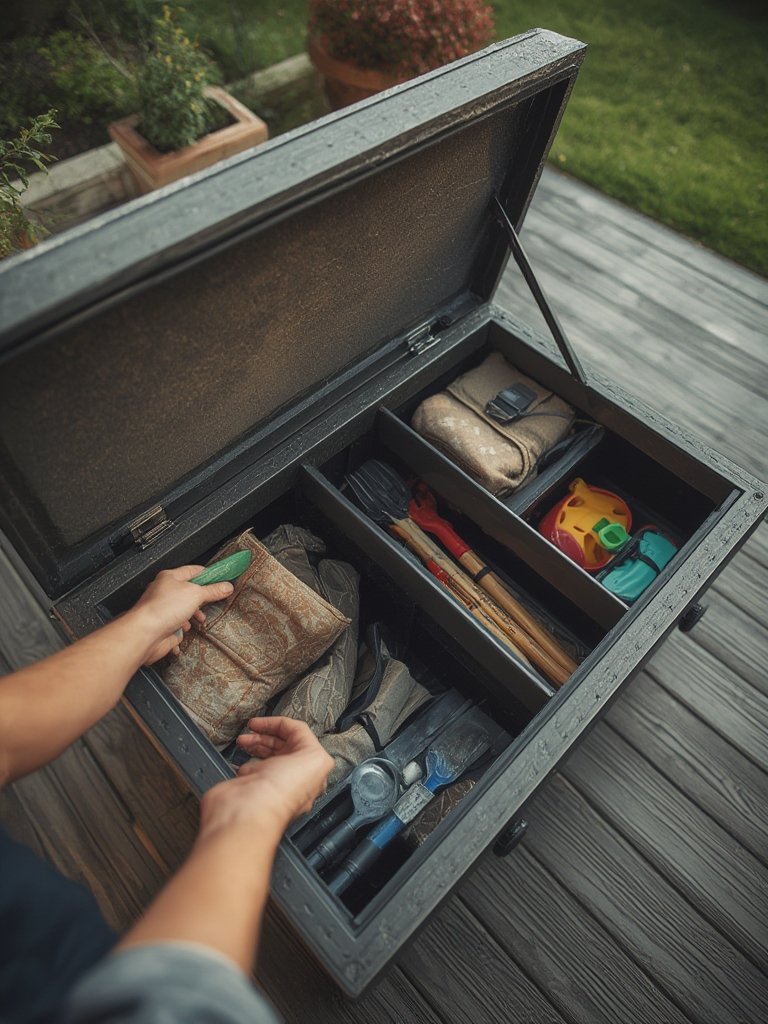
- Stackable bins or separating dividers make big boxes usable year-round, not just as dumping grounds.
- Label categories with weatherproof tags for fast retrieval, especially if kids or guests use the box.
Bonus: Maximize Versatility
- Bench-style boxes double as seating for patios (just double-check max weight ratings before letting anyone perch with confidence).
- In windy or theft-prone spaces, bolt your box to a deck or anchor it with a cable lock for peace of mind.
- Need more flexibility? Place multiple smaller boxes in strategic locations for categorized gear storage—and easier kid access.
For multi-purpose patios, pair with modular outdoor furniture that can rearrange around your storage needs, or upgrade garden zones with self-watering planters to save space and reduce clutter.
Advanced Analysis & Common Pitfalls: Picking the Right Weatherproof Deck Box
What Goes Wrong? User Complaints and Real-World Issues
- Water Leaks in Heavy Rain: Even boxes marketed as weatherproof sometimes seep water through lid seams after storms. Look for boxes with gasketed lids and deep overlaps. (No true IP water rating? That’s typical, but beware.)
- Fading, Warping, and Cracking: Cheaper resin can become brittle within two to three years, especially in direct sun or freezing weather. UV-stabilized plastic lasts longer but costs more.
- Security Flaws: Padlock hasps on thin resin mean “locks keep honest people honest”—real theft resistance requires reinforced hardware or strategic anchoring.
- Condensation and Mold: Airtight boxes trap humidity; without venting or moisture absorbers, you risk musty cushions or mildew in humid zones.
- Poor Assembly Experience: Misaligned holes and weak plastic joints are common—budget for extra time, a helper, and maybe some customer support calls.
- Misleading Capacity Claims: Real storage can be less than advertised gallons if shape or interior ribbing limits usable space.
| Material | Key Strengths | Weaknesses | Typical Price (Large) | Weatherproof Level |
|---|---|---|---|---|
| Resin / Plastic | Low upkeep, rot & rust-proof, lightweight | May warp, fade, cracks under UV or cold, mild security | $130–$350 | Good, if overhanging lid/deep seams |
| Wood (e.g., Cedar) | Furniture look, strong when new, can refinish | Needs annual sealing, can rot if ground-touching | $250–$600 | Fair (with raised feet/sealed joints) |
| Metal (Powder-Coated Steel) | Hardest to pry, fireproof, professional look | Can rust at joints, very hot in summer, heavy to assemble | $300–$800 | Very good, IF sealed and no exposed screws |
Are Premium Features Worth It?
- Gasketed lids and raised bases cost more but dramatically improve dry storage in real-world rainstorms.
- Gas struts (for easy lid lifting) are worth the splurge for anyone with limited strength or kids using the box, as noted in ergonomic home office gear analyses that stress accessibility.
- Reinforced lock points matter most in high-theft or public settings—otherwise, environmental protection should take priority.
Pitfalls in Most Reviews (and Why This Guide Addresses Them)
- Competitor lists rarely actually test water intrusion or condensation—don’t trust “waterproof” claims without analyzing lid design and user feedback.
- Long-term durability and replacement part costs are almost never compared side by side. Budget for UV-protection treatments and, for wood boxes, annual resealing.
- Few guides assess safety for kids, caregivers, or high-traffic areas. Opt for slow-close hinges or check handle placement if accessibility is a concern.
Advanced users who want exact value should consult market data like Verified Market Research for more global and trend details. For high-humidity or variable climates, integrating grow lights or investing in covered, dual-use areas can extend gear life.
Conclusion: Make Your Storage Work Year-Round
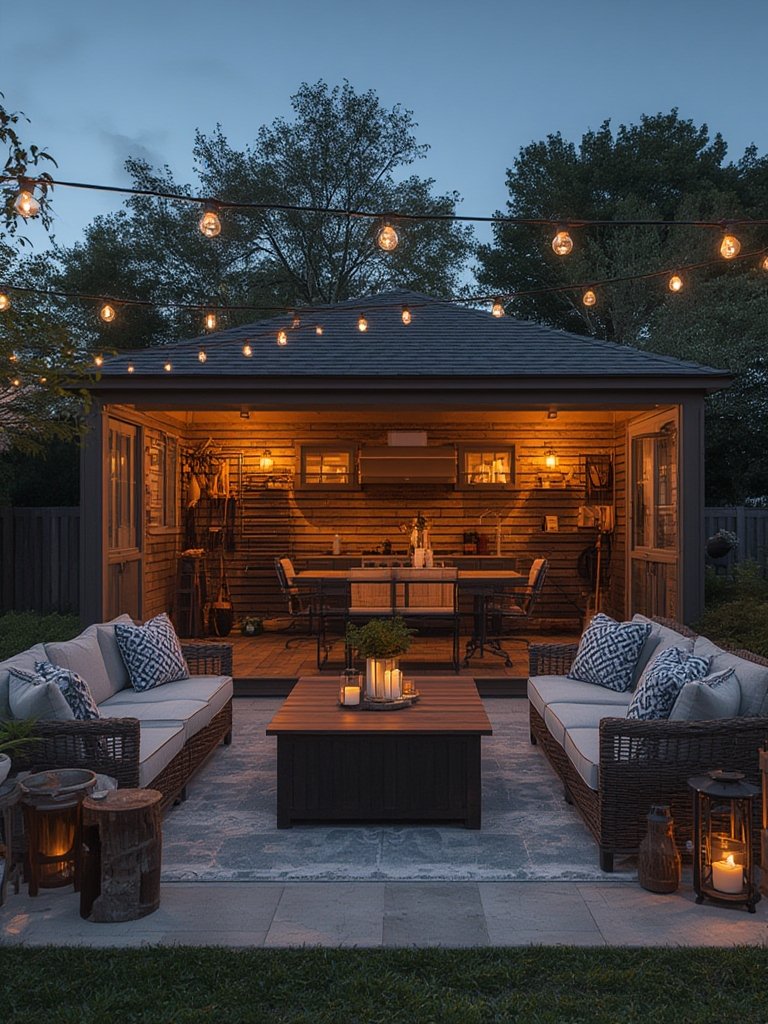
The best outdoor storage box isn’t just about capacity. Material, weatherproofing details, and smart organization solutions matter just as much as price or size. If you pick a box matched to your location, invest in solid seals and avoid famous pitfalls, your gear will stay protected and accessible for many seasons. Don’t just buy promises—evaluate the real features, and anchor your new deck box for true peace of mind. Don’t forget, the right outdoor storage box makes your patio, balcony, or yard more usable all year.
Ready to get organized? Explore our expert guides—upgrade your outdoor space today!
FAQ
What size outdoor storage box should I buy?
Most homes do best with a 70–110 gallon box for seat cushions, garden tools, and toys. Measure your bulkiest item, and remember that “official” gallon capacity is often less useful than actual inside dimensions.
How do I keep my outdoor storage box waterproof?
Choose a box with an overhanging lid, deep seams, gasketed seals, and a raised base. Add a moisture absorber inside. For extra rain protection, place under a roof edge or eave if possible.
Are resin and plastic deck boxes durable?
Quality resin/plastic lasts several years when UV-stabilized and not exposed to hard freezes. Cheaper plastics can crack or fade in 2–3 years without protection. Use UV-protectant spray annually for longer life.
Can I sit on my outdoor storage box?
Check the rated weight capacity before using a deck box for seating. Many resin boxes are only rated for 200–300 pounds—choose models labeled as “bench” or “seating” and confirm actual test weights if possible.
How do I organize the inside of a large outdoor storage box?
Use stackable bins, add soft dividers, and label categories for fast access. For long items, add a vertical rack or magnetic strip to the inside wall, and store cushions in breathable bags to prevent mildew.