Electric lawn mower adoption is accelerating fast, driven by new emission regulations, quieter performance, and major improvements in cordless technology. If you’re considering upgrading from gas or corded models, this guide covers the essential facts, real-world challenges, and what to expect in 2024 and beyond.
Key Takeaways
- The electric lawn mower market is growing rapidly—battery-powered mowers are expected to dominate by 2028, thanks largely to emissions rules and tech advances.
- Battery life, charging time, and long-term costs are the most important considerations when transitioning from gas.
- Electric mowers are quieter and require less maintenance, but battery replacement, power under load, and recycling are real issues to plan for.
- What Makes Electric Lawn Mowers Different?
- How to Choose & Use an Electric Lawn Mower: Step-by-Step
- Advanced Analysis & Common Pitfalls
- Conclusion
- FAQs
What Makes Electric Lawn Mowers Different?
Electric lawn mowers—especially modern cordless lawn mowers—are transforming lawn care for residential and commercial users. Unlike gas-powered options, electric mowers run on either plug-in (corded) power or rechargeable batteries. They cut emissions and noise, and they dramatically lower maintenance. The push to retire gas mowers is accelerating due to policies like California’s zero-emission rule for small off-road engines starting 2024, with global estimates projecting the market will nearly double in the next decade. Recent research shows battery powered mowers will make up over 60% of all electric units by 2028. This rapid shift is supported by advancements in battery life, higher power output, and user-friendly features designed for both homeowners and landscaping pros.
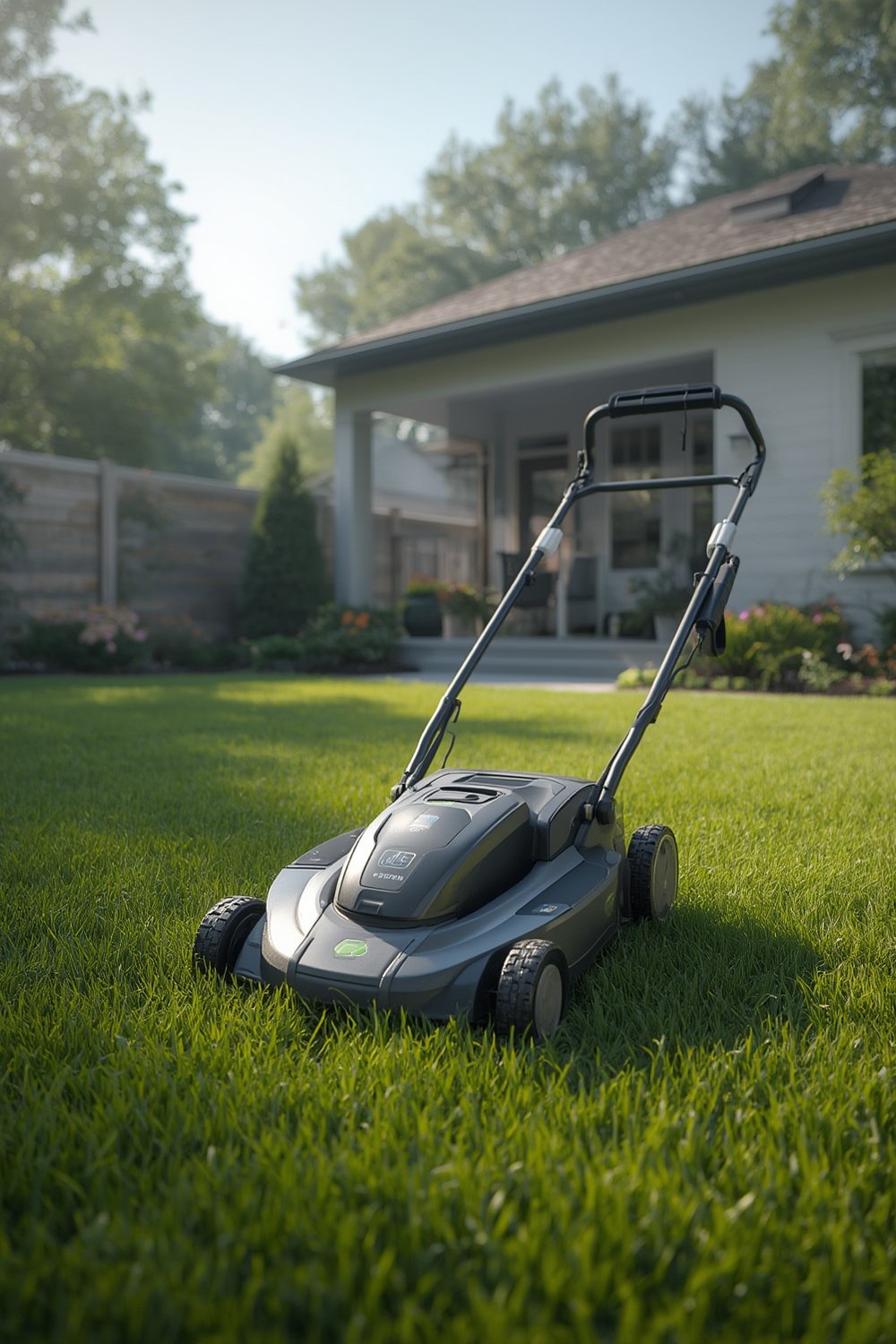
Besides eco-friendliness and low noise, a big reason for this switch is the total cost of ownership. While initial prices for cordless electric mowers are usually higher than for corded or low-end gas units, electric models save money over time by slashing maintenance and fuel costs. They are also much easier to store and service, with no oil, spark plugs, or winterizing needed. Demand is highest in the US and Europe, where regulations are strictest and property owners are already making the switch. See the latest industry stats here.
How to Choose & Use an Electric Lawn Mower: Step-by-Step
- Measure your lawn size—A single battery may not cover half an acre. Most cordless mowers provide 30–60 minutes per charge, with runtime depending on grass thickness, cutting height, and battery health.
- Choose your power type—Corded electric is ideal for small, simple lawns. Cordless is better for mid-sized areas or complicated yard shapes where a cord is a hassle. For large or commercial properties, consider a ride-on or a multiple-battery walk-behind model.
- Check battery specs—Compare amp-hour (Ah) ratings and voltage. Higher Ah means longer runtime; higher voltage can help with thick grass. Look for models with quick-swap batteries if you want to mow non-stop.
- Factor in charging method and time—Basic chargers can take hours. If you want faster turnaround, look for rapid chargers or keep a spare battery ready.
- Assess cutting width and adjustability—Match deck size to your lawn. Wider decks mean fewer passes but may be heavier; adjustable height improves grass health and mower performance in variable conditions.
- Review noise and safety features—If noise is a concern, stick to newer cordless models. Some areas have noise ordinances—be sure you stay within limits.
- Plan for maintenance and battery replacement—Blades need sharpening, decks need cleaning, and batteries will need replacing every 3–7 years, depending on use and storage.
- Disposal and recycling—Have a plan for responsible battery recycling to maximize your mower’s environmental benefits.
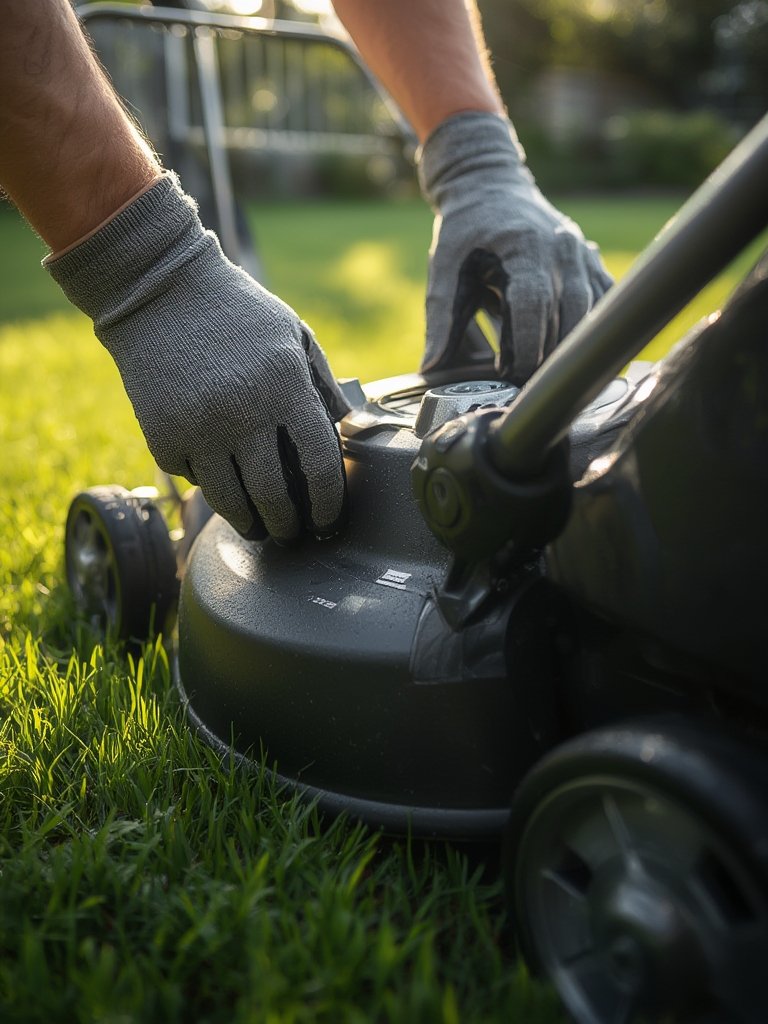
Finally, consider integrating your mower with other eco-friendly upgrades in your yard. For instance, pairing it with solar outdoor lights or modular outdoor furniture can create a more sustainable and modern outdoor space for your family.
Advanced Analysis & Common Pitfalls
Despite the advantages, electric lawn mowers—especially cordless models—come with their own set of realistic challenges. Here’s what industry data shows and what many competitors skip over.
- Battery Anxiety: If your property is large, the fear of running out of battery (“runtime anxiety”) is real. Early battery mowers often couldn’t finish the job on a single charge, but this is improving with modern batteries and modular packs. Recent studies still cite this as the number one pain point.
- Charger Lag: Many base chargers take several hours to recharge a depleted battery, which can be a deal-breaker for users wanting to mow again the same day. Rapid chargers or spare batteries are practical, though they add cost.
- Battery Replacement Cost: Most batteries last 3–7 years, but when it’s time to replace, expect sticker shock—especially on proprietary packs.
- Weight Distribution: Cordless walk-behinds are often lighter overall, yet the battery can make the front heavy, making handling harder for some users.
- Cut Power in Tall or Wet Grass: While power and torque have improved, some budget and midrange electric mowers still struggle in overgrown or dense lawns. Choose a model with a proven motor and high-voltage power for these cases.
- Disposal Issues: While operational emissions are zero, recycling lithium batteries is still not well-documented in the consumer market. Plan to use official recycling channels when your battery reaches end-of-life.
| Feature | Electric (Cordless) | Electric (Corded) | Gas |
|---|---|---|---|
| Initial Cost | Medium–High (battery cost) | Lowest | Low–Medium |
| Operation Cost | Low (charging only) | Very low | High (fuel, oil, tune-ups) |
| Noise | Quiet (~70–90dB) | Quiet | Loud (>90dB) |
| Maintenance | Minimal (no oil, no spark plugs) | Minimal | Regular (engine maintenance) |
| Emissions | Zero at point of use | Zero at point of use | High (direct exhaust) |
| Continuous Run Time | 30–80 min (per charge) | Unlimited (cord length limited) | Unlimited (with fuel) |
| Best For | Small–Medium lawns; eco-focused users | Small, simple lawns | Large, rural, or highly demanding properties |
*Based on industry analysis 2023–2024
Another frequent oversight: most guides fail to stress how changing regulations affect mower ownership. In many areas, future resale value for gas mowers will drop, and getting them serviced could be harder as shops transition to electric models. The long-term savings from avoiding fuel price spikes also get buried in “upfront price” comparisons. Don’t overlook the difference in maintenance—no oil, spark plugs, or carburetor rebuilds make electric models truly “hassle free.” Even with battery replacements, users typically save money over time.
For commercial landscapes or larger residential properties, consider the advancements in ride-on electric mowers and robotic models. For example, robot lawn mower solutions can handle routine mowing with minimal intervention, and their low noise means you can run them at night without bothering neighbors.

Conclusion
Switching to an electric lawn mower is a smart, actionable move if you want to lower noise, reduce emissions, and cut your lawn care hassle in 2024. Most battery powered mower models now deliver reliable runtime, low maintenance, and real cost savings once you factor in years of use. Be aware of charging logistics, the eventual cost of battery replacement, and always recycle old batteries responsibly. With commercial and residential adoption both surging, expect the market to keep growing and technology to keep improving. Choose your model for your specific lawn size and goals, and you’ll get the most out of your electric lawn mower investment. Ready to make your lawn care routine quieter and greener? Explore our trusted recommendations, or compare sustainable outdoor solutions like self watering planters or standing desk converters for your workspace.
FAQs
Do electric lawn mowers really save money over time?
Yes. While the upfront cost of a cordless lawn mower is usually higher than a basic gas or corded unit, electric mowers save money on zero gasoline, minimal maintenance, and fewer replacement parts. Over multiple seasons, the lower operating costs offset the original investment, especially as gas prices fluctuate.
How long does an electric mower battery typically last?
Most lithium-ion batteries in cordless mowers last between 3 and 7 years, depending on charging habits, usage frequency, storage, and climate. Plan for future battery replacement as part of long-term ownership.
Are cordless mowers strong enough for thick or wet grass?
Top-tier cordless mowers now match gas models in routine use, but entry-level or budget units can still struggle with dense, tall, or wet lawns. Choose models with higher voltage (e.g., 56V+) and larger batteries for demanding jobs. Having a sharp blade and mowing more often also boosts performance.
What happens to old batteries? Are they recyclable?
Lithium-ion mower batteries should never be put in the trash. Use manufacturer take-back programs or local hazardous waste collection centers for recycling. Unfortunately, comprehensive recycling data specific to mower batteries is still limited in 2024.
Are electric mowers really much quieter than gas?
Yes. Most electric lawn mowers operate at roughly 70–90 dB at the user’s ear, well below the 90+ dB created by small gas engines. Many find they can mow earlier or later without disturbing neighbors, and robotic models are even quieter.