Cat wall furniture offers a smart way to bring vertical enrichment to your home—transforming unused walls into custom playgrounds that can improve your cat’s wellbeing while saving floor space in small apartments.
Key Takeaways
- Properly installed cat wall furniture creates vertical territory, reduces feline stress, and encourages healthy activity indoors.
- Most accidents, product failures, and complaints stem from poor installation or underestimating weight limits—always use sturdy hardware and check walls first.
- Modular, customizable systems offer more flexibility, but renters should carefully consider reversible or tension-mount alternatives to avoid damage and deposit loss.
- Cat Wall Furniture: What Is It & Why It Matters
- Step-by-Step Setup Guide
- Advanced Analysis & Common Pitfalls
- Conclusion
- Frequently Asked Questions
Cat Wall Furniture: What Is It & Why It Matters
Cat wall furniture—sometimes called a cat climbing wall—refers to wall-mounted shelves, platforms, ramps, and modular “playgrounds” installed at varying heights. Unlike traditional floor cat trees, these systems use your vertical wall space to create climbing, perching, and hiding opportunities for your cat. This isn’t just about aesthetics or saving space; for many cats, especially those living indoors, these installations directly address their natural urge to perch, survey, and stay active, all while reducing territorial tension in multi-cat homes.
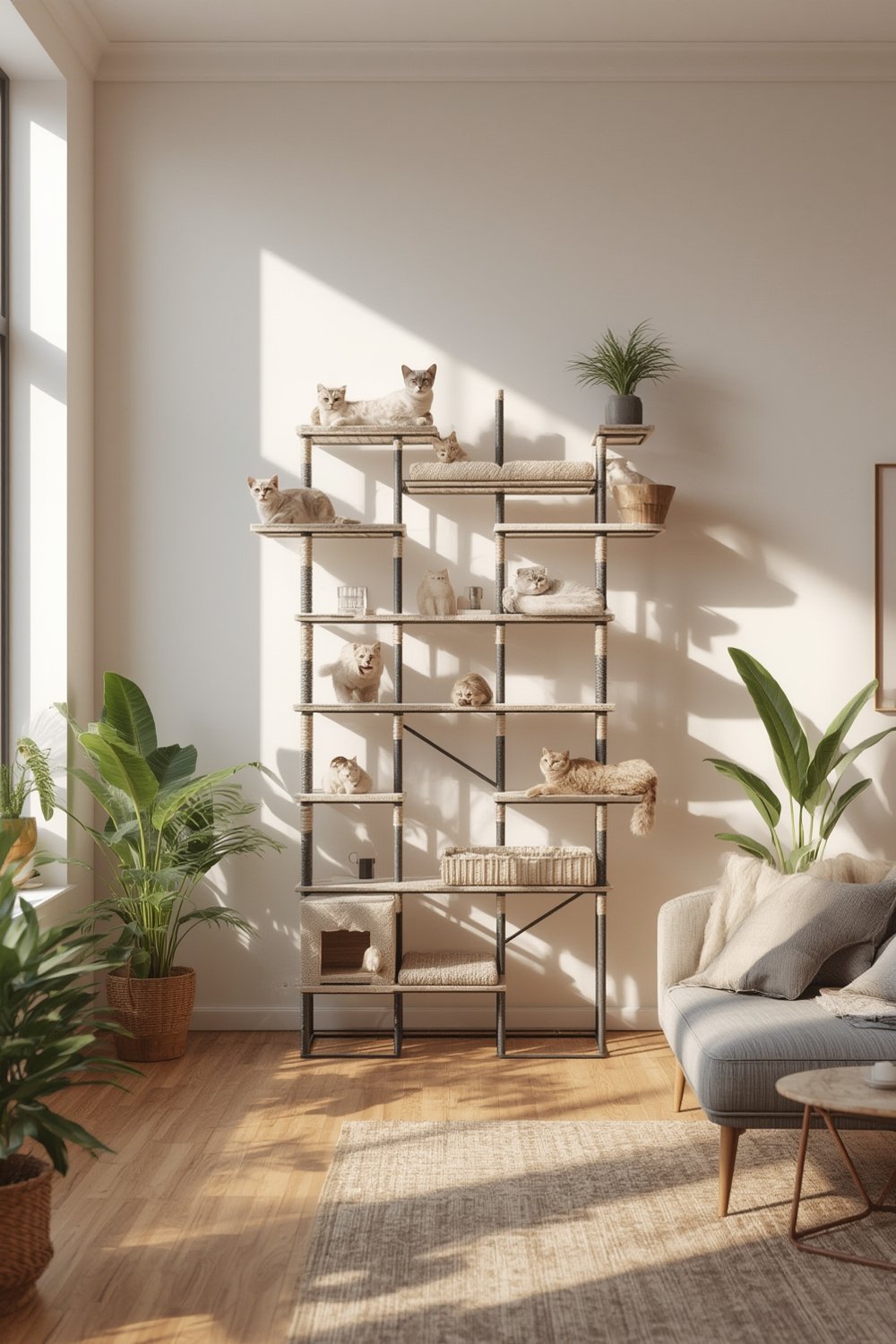
Modern cat wall playgrounds are increasingly modular, letting you expand or reconfigure as your needs change. They’re particularly popular with apartment dwellers, busy “pet parents,” and anyone who wants to enrich a cat’s life without cluttering the floor. Research has shown that providing cats with vertical territory is one of the most effective routes to reducing feline anxiety, discouraging destructive behaviors, and supporting healthy movement indoors. You’ll find these products in designer catalogs, on Amazon, and through boutique brands specializing in premium materials.
For more on the science of vertical enrichment, see our detailed section below, or Cornell Feline Health Center: Feline Behavioral Enrichment.
Step-by-Step Setup Guide
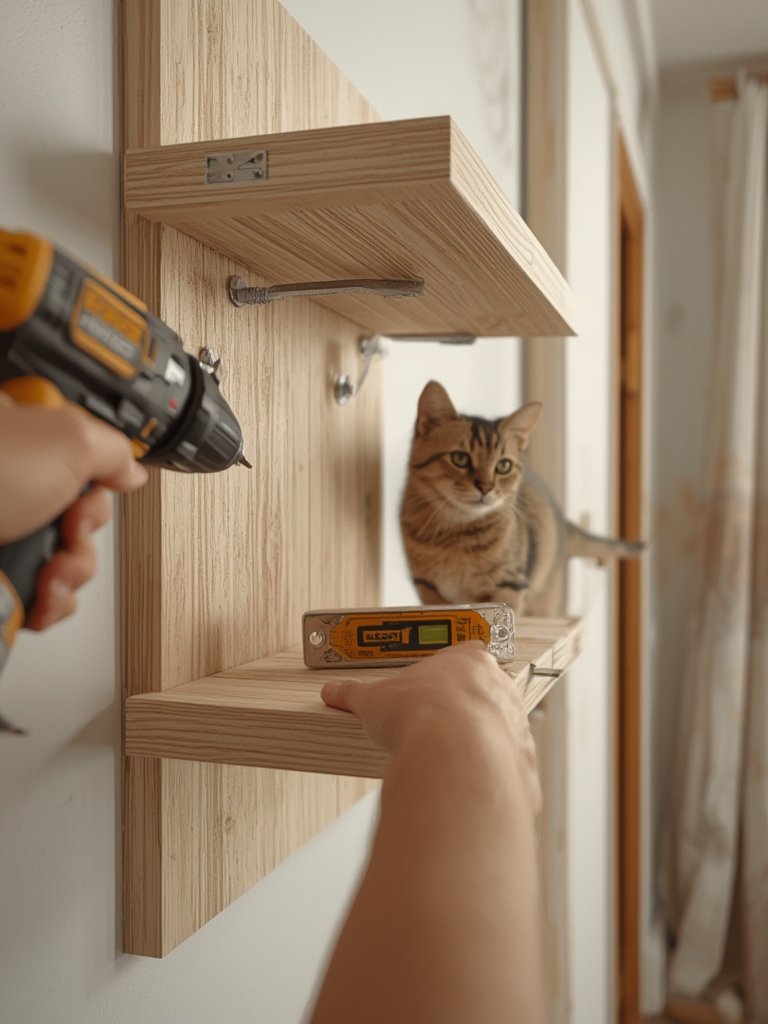
Installing cat wall furniture safely and for maximum enrichment requires more than just wall anchors and a stud finder. Here’s how to do it right:
-
Assess Your Walls:
- Identify wall type (drywall, plaster, brick, concrete) and check for cracks or damage.
- If you’re in a rental, determine if patching is allowed or consider no-drill tension systems. Our modular furniture guide has adaptable solutions for renters.
-
Map Out the Climbing Route:
- Sketch possible layouts on paper. Prioritize access/escape routes—never dead ends. For multi-cat homes, ensure there are multiple access/exit paths to reduce territorial fights.
-
Choose Sturdy Components:
- Opt for systems made from solid wood or thick plywood, and always check weight ratings. For heavier cats or multiple cats, select options rated at shelves supporting 25 kg (55 lb) or more per shelf—see recent safety statistics in the RSH Pets install guide.
-
Mount Into Studs (Whenever Possible):
- Use a stud finder and mark both ends of required boards. If studs aren’t ideally placed, use high-quality, heavy-duty wall anchors suited for your wall type—but keep in mind that load capacity drops significantly on hollow or thin-panel walls.
-
Install Texture for Traction:
- Install carpet, sisal, or textured fabric on flat shelf tops to prevent slipping. Avoid slick paint, and steer clear of toxic varnishes or adhesives (look for low-VOC, pet-safe finishes).
-
Test for Stability:
- Before letting your cat use new shelves, apply a load heavier than your cat’s weight and check for any movement. Reinforce or adjust as needed.
-
Monitor and Maintain:
- Visually inspect mounting points and surfaces for wear, loose screws, or sagging each month. Replace frayed fabrics and check for wall damage around anchors.
Looking for the perfect match between cat friendliness and easy removal? Explore renter-ready options in innovative standing desk converters and modular outdoor furniture systems—many brands use similar tension- or clamp-mount concepts now successfully adapted to cat wall furniture.
For low-maintenance pet products that keep your space clean, our automatic pet water fountain review and guide to orthopedic dog beds provide more ideas.
Advanced Analysis & Common Pitfalls
Even the best cat wall furniture systems can fail or frustrate if you overlook these issues:
-
Weight Tolerance Underestimated:
- Many shelves are only rated for static loads, not dynamic jumping. Always overestimate your cat’s weight and activity, especially with large or multiple cats.
-
Improper Installation:
- Skipping stud finders, using undersized anchors, or placing shelves on cracked/weak walls are top reasons for collapse. Always check the wall’s condition first. Under-desk maintenance schedules like those in weatherproof deck box care tips also apply—monthly checks make a difference.
-
Poor Layout Design:
- Layouts with “dead ends” or shelves over food tables can stress cats or create mess. In multi-cat homes, lack of escape routes leads to social conflict.
-
Unsafe Materials:
- Cheap units with MDF/particleboard and sharp-edged metal are prone to failure and splinters. Unfinished wood can wick moisture and deform over time, while toxic finishes or glue may expose cats (and humans) to fumes.
-
Renter Challenges:
- Classic stud-mount systems make wall repair mandatory at move out. If you’re renting, rail or tension-mount systems will minimize hassle but typically hold less weight—never exceed manufacturer ratings.
| System Type | Customization | Expandability | Renter-Friendly? | Max Weight (per shelf) | Price Range (USD, 2024) |
|---|---|---|---|---|---|
| Premium Modular Wall System | High | High | Low | 15–35 kg | 350–900+ |
| Mid-Tier Modular Kit | Medium | Medium | Medium | 15–25 kg | 150–350 |
| Budget Kit (MDF/anchor) | Low | Low | Medium | 10–15 kg | 60–150 |
| Tension-Mount/Freestanding | Medium | Medium | High | 10–20 kg | 100–350 |
According to RSH Pets and the in-depth ScratchyThings Guide, ongoing maintenance and load planning are essential for long-term success. Leading brands still rarely provide dynamic load test data—in most cases, you must test yourself or overbuild for peace of mind. For more niche insights and missing topics in mainstream guides (including safety standards and behavioral layouts), see the comprehensive Refined Feline analysis.
Conclusion
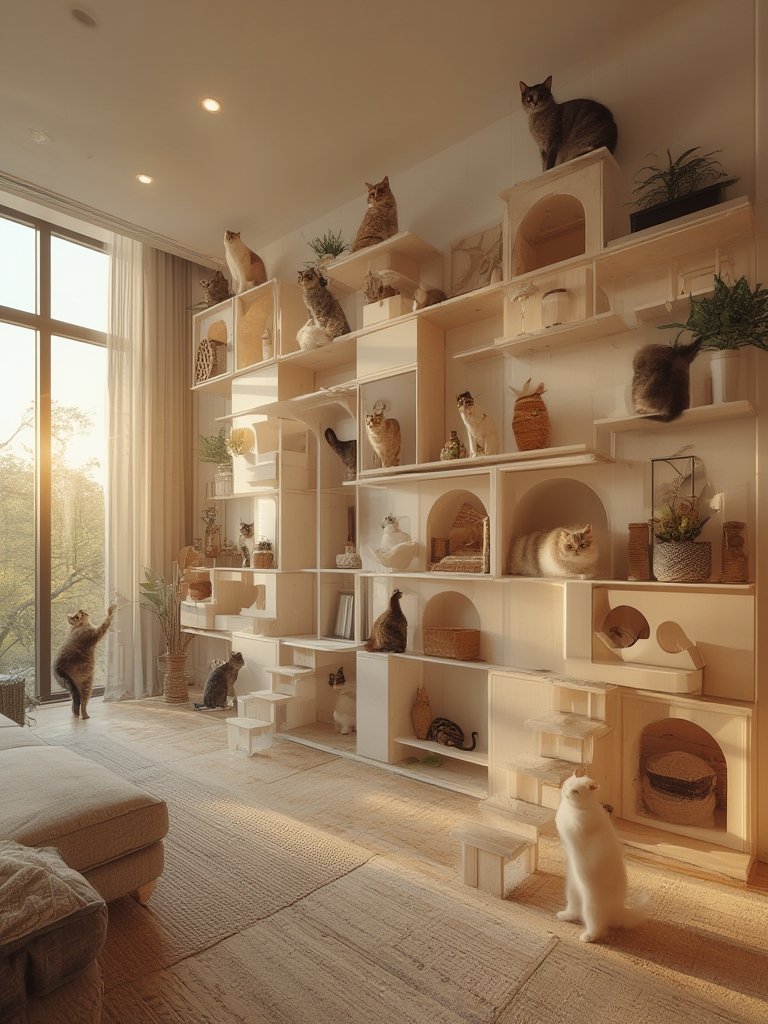
Cat wall furniture is a transformative addition for any cat household—especially when you pay close attention to weight, materials, layout, and the real risks that come with shortcuts or poor installation. With the right planning and ongoing care, these systems deliver true vertical enrichment, prevent unwanted behaviors, and use your vertical space as dynamic feline territory.
If you’re ready to unlock new activity zones for your cat and refresh your décor at the same time, compare systems wisely—and start with a small test install before scaling up. Embrace the future of feline enrichment with your own cat wall furniture project—your cats (and your floors) will thank you.
Need more practical pet solutions? Explore our expert guides on self watering planters, solar outdoor lights, and robot lawn mowers.
Frequently Asked Questions
How much weight should a cat wall shelf safely support?
Every shelf should be rated for at least 15–20 kg (33–44 lb) to account for your cat jumping and landing force. For big breeds or multi-cat use, choose shelves supporting 25 kg (55 lb) or more, and reinforce as needed.
Can I install cat wall furniture in a rental apartment?
Yes, but opt for rail-mount or tension-pole systems to reduce wall holes. Always check your lease terms. Patch any holes on move out to regain your security deposit. No-drill options are available for some lightweight systems.
What are the most common causes of accidents?
Poor installation (not using studs or the right anchors), overloading shelves, and using weak materials lead most accidents. Check wall integrity before drilling, and always test with extra weight before letting your cat use new shelves.
How can I stop my cat from slipping off the shelves?
Cover flat surfaces with carpet, sisal, or textured fabric. Replace worn coverings regularly. Avoid smooth or painted-only surfaces that make traction difficult for cats’ paws.
Will cat wall furniture help cats get along better?
Providing more vertical pathways and escape routes can help reduce stress and direct conflict, especially in multi-cat homes. Make sure all cats have enough access without bottlenecks or dead ends.