Compost tumbler ownership is booming in American backyards, making composting easier, cleaner, and faster than open piles. But before you roll one into your garden, it’s essential to know how they work, which models excel, and what issues real users face (plus tips for maximum output in any climate).
Key Takeaways
- Compost tumblers are rapidly growing in popularity due to ease, speed, and pest resistance—especially in urban and suburban U.S. households.
- The biggest user complaints involve assembly, durability, and managing compost moisture and aeration—but these are solvable with smart buying and maintenance.
- Batch size, climate, and rotation habits make a huge difference in tumbler performance—advanced tips can minimize smelly messes or slow breakdowns.
- The Core Concept: What is a Compost Tumbler and Why Use One?
- Step-by-Step Guide: Getting the Most from Your Compost Tumbler
- Advanced Analysis & Common Pitfalls
- Conclusion
- FAQ
The Core Concept: What is a Compost Tumbler and Why Use One?
A compost tumbler is a sealed, rotating drum designed to turn your household food scraps and yard waste into rich compost, faster and with less mess than old-style bins or piles. Unlike a static compost bin, tumblers speed things up by allowing frequent, effortless mixing (which means better airflow, higher temps, and less turning with a pitchfork). They’re especially prized in busy or small backyards where pest management and appearance matter.
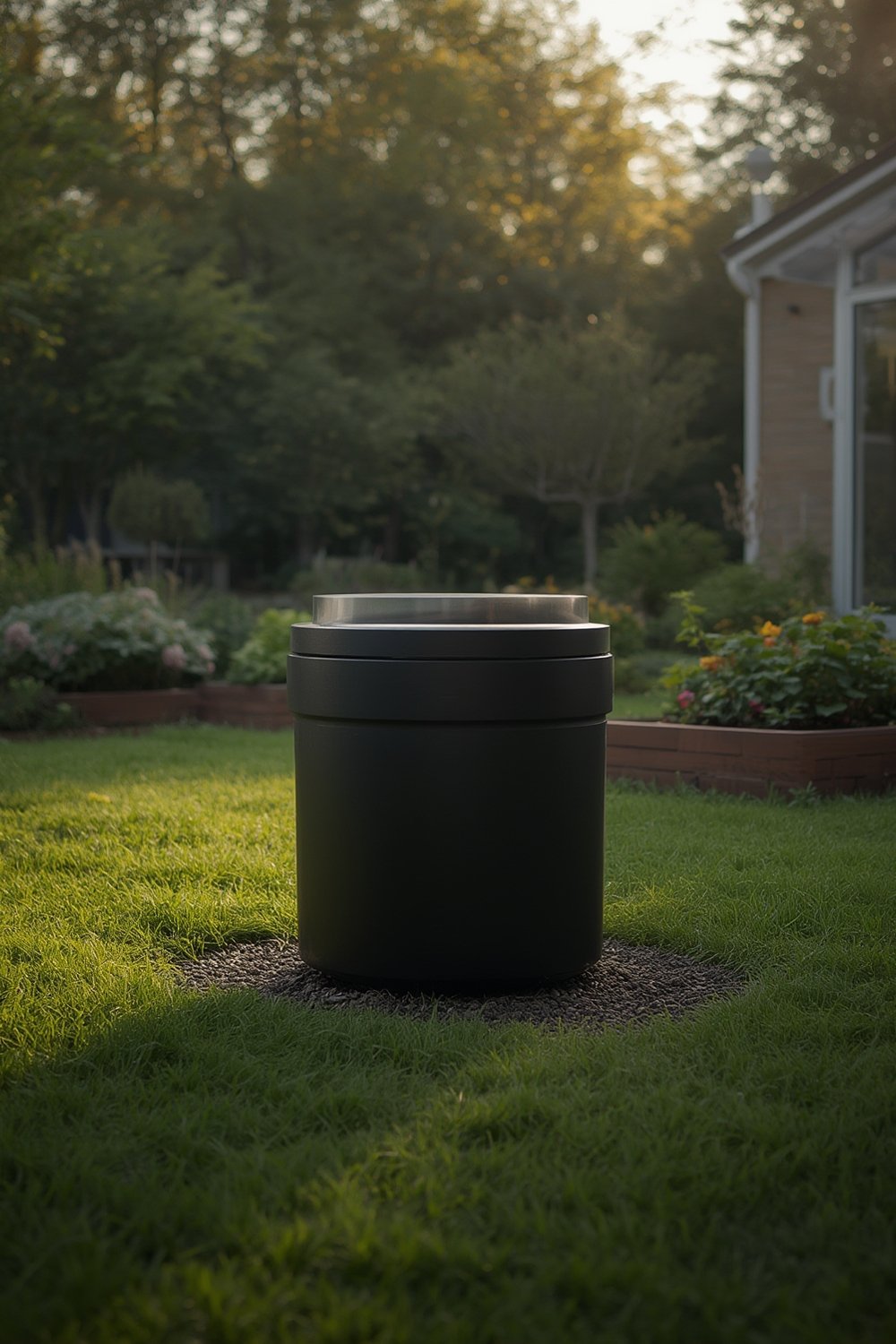
While all tumblers share the basic idea—enclosed barrel on a stand that you spin—there’s huge variety. dual-chamber compost tumblers let you fill one side while the other finishes, minimizing downtime and boosting output. Urban gardeners also value tumblers’ ability to keep rodents out and odors sealed in. For many, a rotating compost bin is the “set it and forget it” solution for home composting, but not all models deliver what’s promised.
Step-by-Step Guide: Getting the Most from Your Compost Tumbler
- Choose the right model for your site and household. Consider capacity (35–80 gal for most homes), UV-stable thick plastic or powder-coated steel, strong frame, real dual chambers if you want batch composting, large doors for easy access, and reliable latches.
- Assemble carefully. Budget models can be tricky; lay out all the parts, follow instructions step by step, and pre-sort hardware. Watch for misaligned holes or wobbly stands—a solid start prevents future headaches.
- Set up your tumbler on level ground—ideally on pavers or a pad for stability. Placing the unit in full sun speeds heating in cool zones, but partial shade may be better in hot, dry climates. Avoid direct runoff in wet regions.
- start your first batch right. Add mixed materials with the correct carbon to nitrogen ratio (roughly 2–3 parts “browns” like shredded paper to 1 part “greens” like kitchen scraps by volume). Chop inputs for faster breakdown.
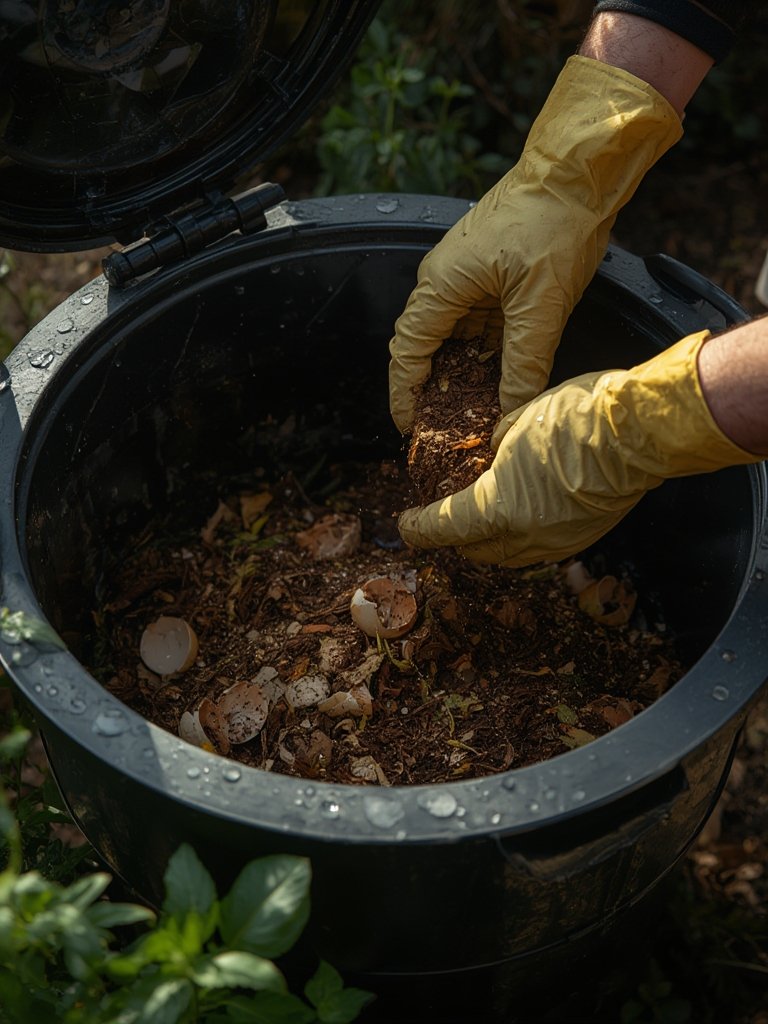
- Monitor moisture and aeration. Aim for the consistency of a wrung-out sponge. Add water if dry; add browns if soggy. Rotate the drum 2–3 times a week (or more in warm weather). Adjust vents if possible.
- When a chamber is 75–90% full, stop adding and keep rotating for 4–8 weeks. Use the other side (if dual-chamber). Finished compost is dark, crumbly, and earthy-smelling.
- Unload and clean. Remove compost, check for stubborn residues, and clear vent holes. Inspect bolts and hinges, especially after the second year.
- Tumble smarter in your region: In cold states, maximize sun exposure and run larger batches in summer. In steamy or rainy climates, empty trays and rotate more often after storms to prevent waterlogging.
- Don’t overload with oils, cooked leftovers, dairy, or large branches—they rot slowly and invite pests.
- Check for leaks and rust on frames every season. Touch-up paint helps prolong lifespan, especially on steel models.
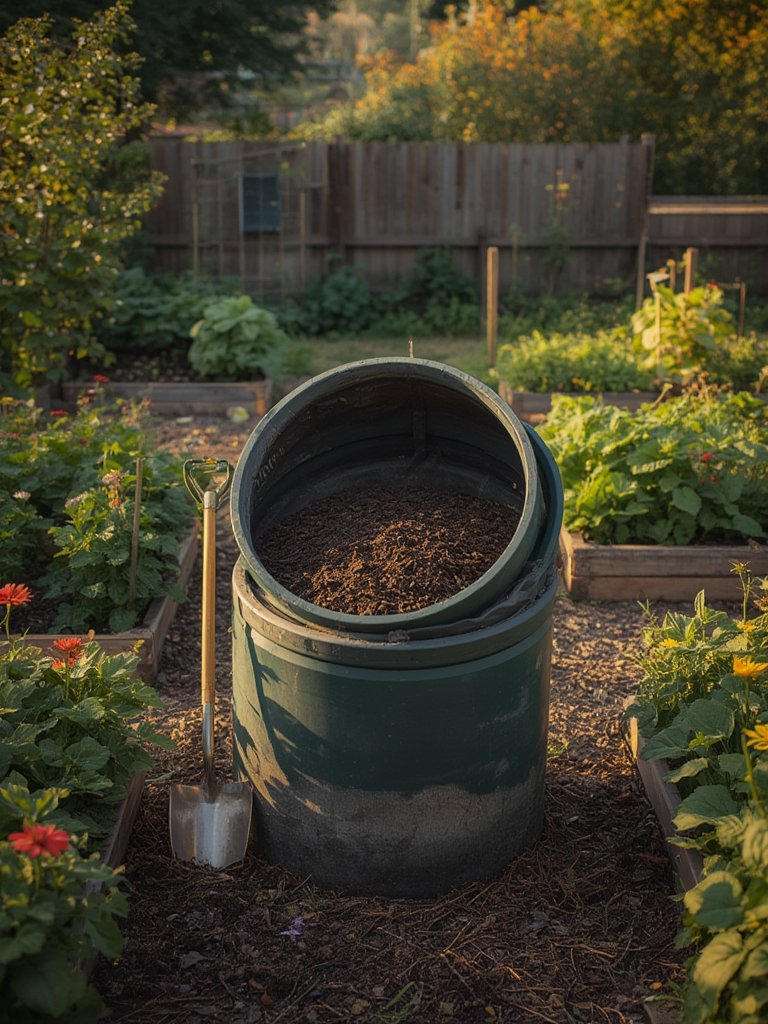
- Want maximum impact? Combine tumbler composting with raised garden beds or self watering planters to build healthier, lower-maintenance plantings year-round.
Advanced Analysis & Common Pitfalls
While compost tumblers are effective, user reviews and scientific extensions highlight several common pitfalls and realistic limitations:
- Assembly headaches and weak builds: Many budget turners have confusing assembly, flimsy stands, or poor door designs. If possible, pick models with quality hardware and reinforced frames, even if it costs more up front.
- Painful to rotate when full: Larger single chambers can get so heavy that rotating becomes a chore—especially for seniors. Dual-chamber composters with balanced designs help.
- Slow or incomplete compost: Marketing claims of “2 weeks to compost” are often exaggerated. Most users see 1–3 months. Poor mixing, low temps, or too little browns can stall decomposition and leave chunks or odor.
- Moisture and odor problems: If drainage is poor or browns are skipped, compost gets slimy or foul. Leachate can stain patios. Pest resistance is good, though very cheap models may still attract rodents if seals fail.
- UV damage and warranty headaches: Non-UV plastic cracks in two to four seasons. Replacement parts and warranty support are often weak, especially on inexpensive brands.
| Feature | High-Quality Tumbler | Low-Performing Tumbler |
|---|---|---|
| Plastic quality | Thick, UV-stablized HDPE or coated steel | Thin, non-UV plastic that cracks |
| Chamber design | True dual chambers, easy switching | Cramped, confusing doors or mixing |
| Aeration & drainage | Adjustable vents, proper leachate controls | Few vents, water or sludge buildup inside |
| Frame & hardware | Solid steel, cross-braced, stainless fasteners | Wobbly, light steel, rust-prone bolts |
| Ease of use | Balanced, ergonomic cranks, large access doors | Hard to turn, small doors, friction latches |
Scientific research and market data agree: tumblers work best if you rotate frequently, keep batches large enough to hold heat, and balance input by climate.
Still, tumblers cap out at about 70–80 gallons per unit; for extra-large gardens or frequent green waste, consider combining a tumbler with a traditional static bin or electric lawn mower to reduce bulk inputs and expand overall compost capacity.
Don’t overlook long-term maintenance, UV exposure, and small, recurring costs—protecting your unit with covers, replacing bolts, or adding drainage mats may double its life and cut frustrations.
For a more detailed market outlook and adoption data, see this research report on household composters or the latest compost tumbler market trends. If you want alternative options or outdoor upgrades, check our guides on modular outdoor furniture or solar outdoor lights for low-maintenance and eco-friendly backyard solutions.
Conclusion
A compost tumbler can deliver fast, clean compost with less manual labor—if you choose a quality model, match it to your climate and yard, and stay on top of regular mixing and balancing. Beware that no device is completely maintenance-free: plan for some parts replacement and occasional cleaning to avoid the slowdowns and headaches reported by many users. Ready to make the most of your kitchen scraps and garden waste? Choose smart, set realistic expectations, and you’ll have healthy, nutrient-rich compost ready in record time.
Ready to get started? Compare options, prep your site, and turn your food waste into garden gold—your plants (and local landfill) will thank you!
FAQ
How fast does a compost tumbler turn scraps into compost?
Most households will see finished compost in 4–8 weeks under optimal conditions. Marketing claims of 2 weeks are rarely matched in real-world use unless conditions and inputs are perfect.
Can I compost meat, dairy, or oily foods in a tumbler?
It’s best to avoid meat, dairy, and high-fat foods. They break down slowly, increase odor issues, and may attract pests even with a sealed drum.
Does a compost tumbler work in winter?
Tumblers slow down or nearly stop in cold weather. To maximize output, build large, hot batches before winter and place the tumbler in the sun. In freezing regions, use it mainly for storage until spring.
How do you stop compost from getting soggy or smelly?
Always add browns (shredded cardboard, leaves) with your greens (food scraps). Rotate often, empty drainage trays, and never let rain fill the drum. If it smells, add dry browns and turn more frequently.
Are dual-chamber compost tumblers better than single chamber?
Dual-chamber tumblers let you load one side while the other cures, so you always have a place for new scraps with less waiting. They also help balance batch sizes, speeding up finished compost turnaround.