Robot lawn mower adoption is skyrocketing as homeowners and professionals seek time-saving, automatic solutions for lawn care. But real-world realities set these smart mowers apart from the hype—performance, cost, setup, and reliability all matter if you want truly automated grass cutting.
Key Takeaways
- Robot lawn mowers are the fastest-growing segment in the lawn care equipment market, especially in Europe and North America.
- Boundary wire setup, ongoing maintenance, and connectivity remain common pain points—plan ahead to avoid headaches.
- Latest models use vision and GNSS navigation for better performance, but costs and installation complexity vary widely.
The Core Concept
Robot lawn mowers, also known as automatic lawn mowers or smart lawn robots, use sensors, navigation systems, and rechargeable batteries to autonomously trim your lawn. They save human time by cutting little and often, keeping grass tidy with minimal effort. The core concept is continuous, automatic micro-mowing—eliminating the need for manual pushing or riding. This makes them ideal for busy homeowners, commercial property managers, and anyone wanting low-maintenance, consistently cared-for grass.
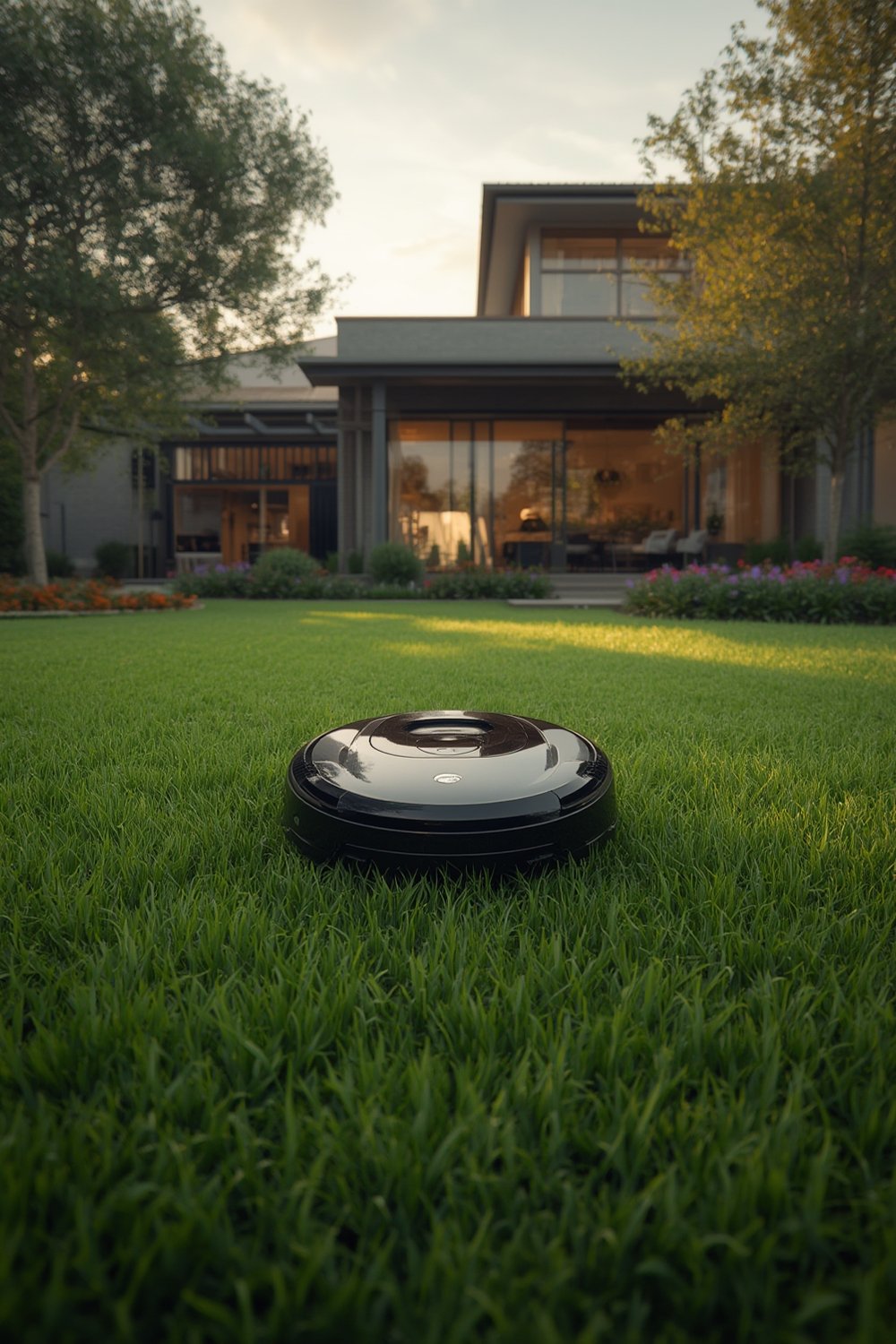
This shift is part of a larger smart home and outdoor automation trend, with global market value projections between 2 and 3.5 billion USD for 2024 and compound annual growth rates above 14% through 2030. Robot lawn mowers outperform traditional gas and manual mowers in market growth, helped by European demand, rising labor costs, and users prioritizing convenience.
Step-by-Step Guide
- Assess your yard and needs: Measure your lawn’s total area, map obstacles, check for narrow passages, and decide if you want virtual (wire-free) or boundary wire-based navigation. Consider grass type, slope, and pet traffic.
- Research and choose a model: Compare models on suited lawn size, battery runtime, maximum slope, connectivity (Wi-Fi, Bluetooth, LTE), navigation type (boundary wire vs. next-gen wire-free vision/GNSS mowers), and price. Leading options include Husqvarna Automower, Worx Landroid, Robomow RK, and next-gen wire-free vision/GNSS mowers.
- Prepare the lawn: Clear loose debris, toys, hoses, and sharp or low-lying objects. Mow the lawn once manually for a clean starting height if grass is overgrown.
- Install boundary wire (if required): For most models, lay and peg the wire following the manual’s guide—looping carefully around garden beds, patios, and playsets. For wire-free models, map boundaries in the app using a guided setup, which can take several runs for perfect accuracy.
- Set up the charging dock: Place it flat against a wall, out of puddles, within reach of power, and where Wi-Fi/Bluetooth signal is strong. Run wire (if needed) into the dock. For outdoor Wi-Fi, consider placing an outdoor access point nearby.
- Configure the app and schedules: Connect the mower to your phone via Wi-Fi or Bluetooth, program schedules, zone settings, cutting heights, and receive maintenance alerts. Enable GPS tracking or anti-theft if available.
- Test and fine-tune: Observe initial runs—watch for missed edges, getting stuck, false error codes, or coverage gaps. Adjust boundary wire, app zones, or obstacle exclusion as needed.
- Optimize ongoing care: Replace blades monthly or as recommended, clear grass buildup, and monitor app alerts for any issues. Clean sensors if used in wet or leafy conditions. Adjust schedules seasonally for growth rates.
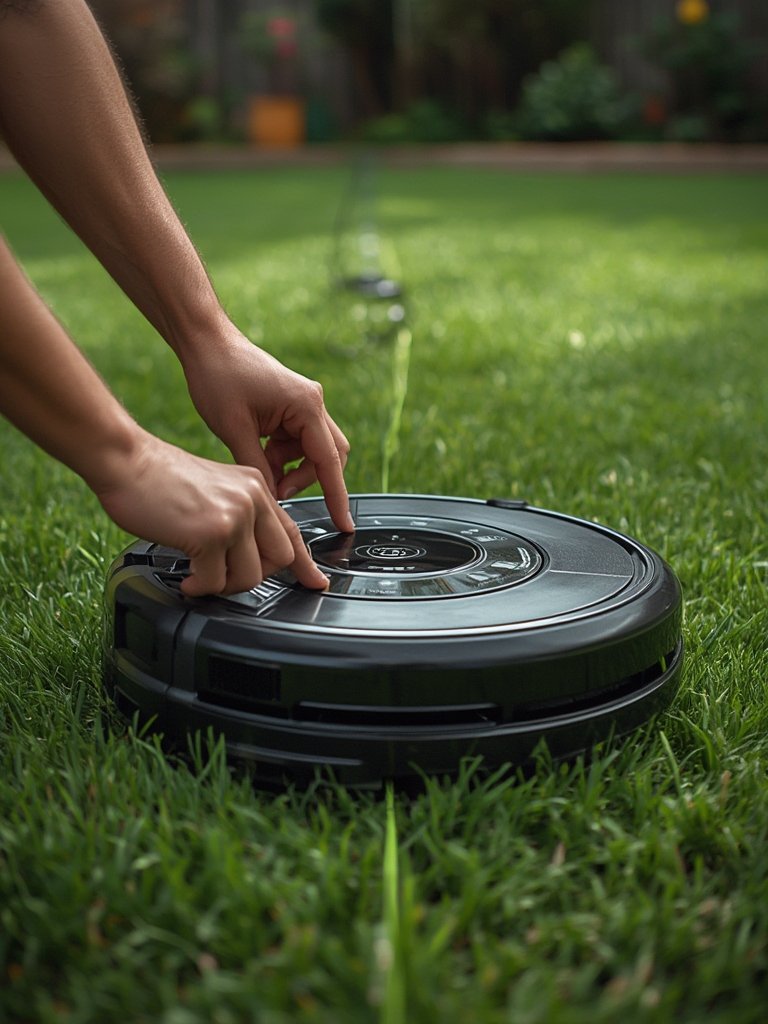
For bigger lawns or complex shapes, some users deploy multiple robots or combine a robot with manual touch-up using an electric lawn mower for best edging. For smart outdoor upgrades, see options like solar outdoor lights to complement low-maintenance gardens.
Advanced Analysis & Common Pitfalls
Robot lawn mowers are not set-and-forget. The most common user complaints and costly pitfalls are:
- Boundary wire breaks: Physical wire is still used by about 65% of 2024 models and is easily breached by pets, digging, or accidental shovel strikes.
- Missed edges/corners: Most require a separate trimmer or must be physically repositioned for tight spots. Advanced “edge cut” features are better, but rarely perfect.
- Stuck units in complex yards: Roots, toys, steep drops, and trampolines catch more units than marketing promises suggest.
- App/Wi-Fi frustration: Many users struggle with poor signals at the far corners of their yard, leading to lost connectivity for status or configuration. For better coverage, plan Wi-Fi using mesh nodes or outdoor-rated extenders, and check your property for dead zones.
- Blade & battery costs: Blades dull quickly with sticks or grit, and batteries may need replacement after 2-5 years depending on use.
- Maintenance burden: Regular deck and wheel cleaning is essential to avoid errors from wet grass or debris buildup, especially if you have a lot of trees or muddy zones.
- Theft risk: Although PINs and GPS anti-theft exist on premium models, theft and vandalism remain concerns in unfenced front yards.
- High initial effort: Proper setup (especially laying boundary wire) is often underestimated and can take several hours or require professional help.
Here is a comparison of leading 2024 robot lawn mowers for realistic expectations:
| Feature | Husqvarna Automower | Worx Landroid | Robomow RK | Stihl iMOW | Wire-Free Vision/GNSS |
|---|---|---|---|---|---|
| Typical lawn size | 3200–5000 m² | ~1000–2000 m² | ~2000–3000 m² | ~3000 m² | 1000–5000 m² (brand & model dependent) |
| Battery | Li-ion (5–10 Ah, 36V) | Li-ion (4–6 Ah) | Li-ion | Li-ion | Li-ion (larger possible on pro units) |
| Runtime / charge | 60–145 min / 45–60 min | 90 min / 90 min | 60–90 min / 60–90 min | 150 min / 60–90 min | Similar or slightly higher; fast area coverage focus |
| Max slope | 45% | 35–40% | 45% | 45% | Up to 50%+ (some pro units) |
| Navigation | Boundary wire + GPS assist (premium) | Boundary wire; basic AI patterns | Boundary wire; edge-cutting | Boundary wire; app control | Vision/camera or RTK-GNSS, virtual boundaries |
| Noise | 56–60 dB(A) | 60–65 dB(A) | 60–64 dB(A) | 59–65 dB(A) | Similar; some premium below 60 dB(A) |
| Price (street) | Mid-high, prosumer to pro | Value-mid | Mid, less than Husqvarna | Mid-high | High for early-gen, dropping as volume rises |
Boundary-wire models currently dominate market share, but vision/RTK units are growing fastest. To see how robot mowers stack up in cost and performance versus human-mowed and electric/battery mowers, check out our electric lawn mower and productivity gear articles for smarter outdoor and indoor automation.

Conclusion
Robot lawn mowers offer real savings in time and labor but also bring new challenges—setup, ongoing maintenance, app connectivity, and initial investment are factors that matter. If you want a reliable, low-maintenance lawn, plan carefully for yard layout, connectivity, and regular upkeep. Use smart scheduling, anticipate edge trimming, and consider models with the newest vision or RTK navigation for best results. Ready to upgrade your yard game? Take a look at leading outdoor automation solutions and consider a robot lawn mower to transform how you handle grass—once and for all.
FAQ
Do robot lawn mowers work on uneven or sloped lawns?
Yes—most premium robot lawn mowers can handle slopes up to 35–45%, but small wheels and low weight can limit traction or cause scalping in very uneven or rough yards. For highly irregular lawns, expect some manual touch-up. Be sure to check the manufacturer’s specs for slope ratings.
How do robot lawn mowers handle edges and corners?
Most leave narrow bands near fences and garden beds uncut, as their circular blades can’t reach to the very edge. Some premium models advertise “edge cut” features but still require periodic manual trimming for perfection.
Is a boundary wire always required?
No—vision- and GNSS-based mowers set up virtual boundaries via an app and don’t need buried wire, but the majority of 2024 models still use boundary wire. Wire-free models are more expensive but save major setup time and ease landscaping changes.
Are robotic lawn mowers truly “set and forget”?
Not entirely. While automation cuts down regular labor, you’ll still need to perform initial setup, monitor runs, replace blades, clear grass or debris, and handle connectivity maintenance. Over time, battery and blade replacement are needed.
What if someone tries to steal my robot lawn mower?
Most models use PIN codes to lock unauthorized use. Higher-end robot lawn mowers include GPS tracking and can send alerts if removed from your yard. Theft is still a risk in unfenced areas, so use all available security features.