Solar outdoor lights offer an eco-friendly way to brighten up your yard, garden, or pathway with zero wiring—yet many shoppers are surprised by real‑world limitations and picking the right model can be tricky. This guide explains what to expect, how to choose and install the right lights for your region, and how to avoid common mistakes that can waste time and money.
Key Takeaways
- Solar outdoor lights are booming globally, especially for garden and pathway use, but brightness and runtime often fall short of marketing claims.
- Installation is usually DIY and energy costs are zero, but long-term maintenance and climate impact can significantly affect value.
- Understanding specs like lumens, battery chemistry, waterproof rating, and matching them to your region is crucial for getting reliable performance.
- What Are Solar Outdoor Lights & Why Use Them?
- How to Select and Install Solar Outdoor Lights: Step-by-Step
- Advanced Analysis & Common Pitfalls of Solar Outdoor Lights
- Conclusion
- FAQ
What Are Solar Outdoor Lights & Why Use Them?
Solar outdoor lights are standalone fixtures with a solar panel, battery, LED, and waterproof casing, designed for outdoor spaces like gardens, pathways, and patios. They harvest sunlight during the day and automatically light up after dark—no wiring, no increase to your electric bill.
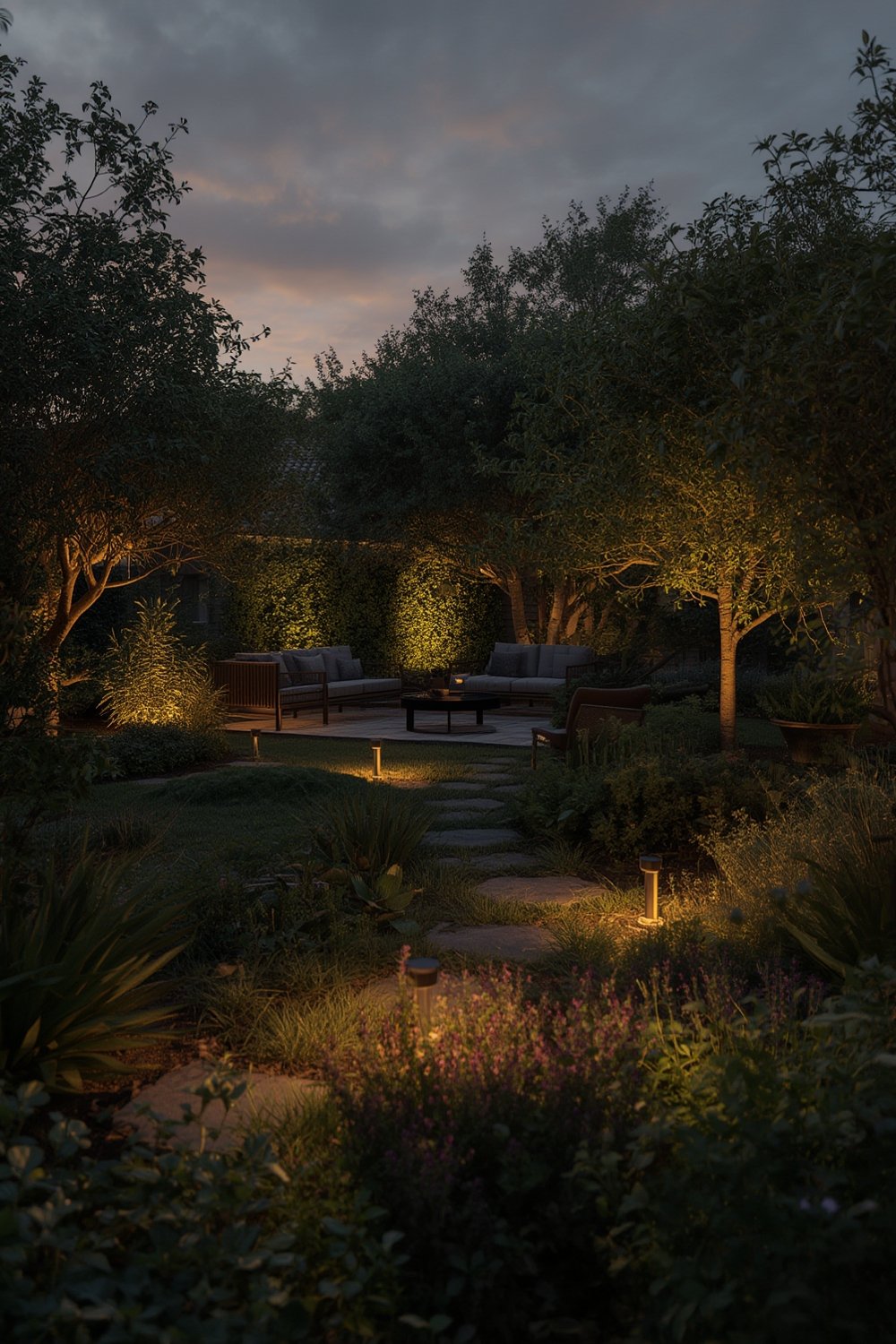
Global demand is skyrocketing, with the market expected to reach nearly $41 billion by 2030 thanks to strong growth in regions like Asia-Pacific and increasing popularity of self watering planters and other low-maintenance outdoor gear. While streetlights represent the biggest value segment, rapid adoption in the residential space is led by decorative and practical applications—think solar garden lights, pathway markers, and even compact security spotlights. Residential users are mainly attracted by:
- Ease of installation – no trenching or wiring needed
- Zero grid energy costs – all lighting is powered by the sun
- Eco-friendly upgrade – reduces overall carbon footprint
- Increased safety and curb appeal – lights enhance nighttime navigation and aesthetics
But before you invest, it’s important to know that solar stake and pathway lights often deliver a soft glow, not floodlight-level brightness. Expectations matter, especially when comparing outputs (5-100 lumens for most garden stakes) to more robust electric solutions. Durability, climate, and local sunlight availability also play a big role in real-world performance.
How to Select and Install Solar Outdoor Lights: Step-by-Step
Getting the right solar lights takes more than picking any box at the store. Here’s a practical guide:
- Assess your needs and goals:
Do you want to highlight a path, create ambient garden lighting, or boost security? For marking beds and walkways, small stake lights (5-50 lumens) are sufficient. For illuminating driveways or yards, look for spot or flood models (200 lumens+). - Analyze your location and sun exposure:
Walk your yard and note where you get direct sun for at least 4-6 hours daily. Avoid placing lights in heavy shade or under roof eaves—solar panels need clear exposure to charge. - Research specs and read real reviews:
Check for:- Lumens: 5-15 = decorative, 20-50 = marking, 80-200 = high-brightness path, 200+ = accent or security
- Battery type: LiFePO₄ or quality lithium for longevity; avoid sealed non-replaceable options if possible
- Waterproofing: IP65 (minimum), with real-gasketed housings, not just marketing claims
- Actual runtime: Look for user reports and independent tests, not just “up to X hours” claims
- Warranty & customer service: Prefer brands with responsive support and clear return policies
- Plan the layout:
Space lights 5-10 feet apart for pathways, or closer for more even illumination. Avoid placing too close to other light sources (like porch lights) which can confuse dusk-to-dawn sensors. - Install your lights:
- Assemble each light per instructions, ensuring waterproof seals are tight
- Clear away mulch and debris, and create a pilot hole for each stake if soil is hard
- Insert the stake gently using steady pressure—not rocking it side to side
- Angle the solar panel (if adjustable) toward south (in northern hemisphere) for best charge
- Turn the switch to ON, or set the desired lighting mode if available
- Run a full test night:
After a sunny day, check each light at dusk and again after several hours. Look for “dead” or underperforming fixtures and confirm uniform light color if that matters for your design. - Setup ongoing maintenance:
Wipe panels clean every few weeks (especially after pollen or dust storms). In extreme climates, consider seasonal removal or upgrade to rugged models. Be prepared to replace batteries every 1-2 years for typical stakes.

For those integrating solar lighting as part of an eco-friendly makeover, pair your new lights with raised garden beds or indoor grow lights for holistic energy savings and ambiance throughout your outdoor and indoor living space.
Advanced Analysis & Common Pitfalls of Solar Outdoor Lights
Many buyers are surprised by the gap between marketing and real-world performance. Here are the top issues and an honest comparison:
- Dim lighting: Many stake lights output just a soft glow. Product photos are often exaggerated; even “super bright” units yield less than a wired LED path light.
- Short runtime in winter or under clouds: Lights may run for only a few hours if sunlight is limited, especially at high latitudes or during overcast stretches.
- Battery wear: Inexpensive models often suffer dimming or failure within 6-18 months. Replacing batteries can extend life, but sealed units are harder to repair.
- Waterproof claims not always reliable: Many “IP65/IP67 waterproof” lights still fog or corrode after rain or snow, especially if seals or materials are low quality. Always inspect construction, not just specs.
- Fragile build: Plastic stakes frequently snap in hard or frozen ground. Choose models with sturdy metal spikes for demanding sites.
- Sensor frustration: Dusk-to-dawn and motion sensors often struggle with nearby porch or street lighting, leading to lights staying off or flickering.
Below is a high-level comparison of solar vs. wired outdoor lighting:
| Feature | Solar Stake/Garden Lights | Wired Low-Voltage LED |
|---|---|---|
| Installation | No wiring, DIY, fast | Trenching/cabling, pro install often required |
| Upfront Cost (small install) | Low | Moderate-High |
| Ongoing Energy Cost | Zero (solar) | Low but non-zero (grid) |
| Brightness per Fixture | Low (5-100 lumens typical) | High (200+ lumens typical, consistent) |
| Life Expectancy (fixture) | 1-3 years (plastic); 3-5+ (metals, good battery models) | 10+ years (metal); bulbs often last 25,000+ hours |
| Maintenance | Panel cleaning, battery change/replace fixture | Occasional lamp/driver change, wire check |
| Best Use-Cases | Small beds, short paths, renters | Long runs, drives, commercial, higher brightness needs |
| Performance in Shade / Winter | Poor to fair | Unaffected (grid powered) |
If your outdoor space is exposed and sunny—especially in moderate climates—solar stake and garden lights can be a great value. But in shaded, northern, or very wet locations, modular outdoor furniture and adding some wired lights or higher-end solar floods may be more dependable in the long term.

Conclusion
Solar outdoor lights provide affordable, wire-free accent lighting for gardens and paths, but actual brightness and reliability often depend on your climate, installation, and build quality. Focus on matching lumen output, battery chemistry, and waterproof ratings to your region. For small, sunny yards, the convenience and zero energy cost are tough to beat—but manage your expectations and be ready for routine maintenance. For larger sites or harsh climates, consider a mix of premium solar and traditional lighting.
Ready to upgrade your yard or walkway? Explore our favorite solar outdoor lights and see how they pair with outdoor storage boxes and pet-friendly accessories for a safer, brighter, and more welcoming outdoor space.
FAQ
Do solar outdoor lights work in winter or in cloudy regions?
They work, but run time and brightness drop sharply in winter or under persistent clouds. In high-latitude or shaded yards, expect only a partial charge—and maybe just 2-4 hours of light per night.
How long do the batteries last in solar stake lights?
Typical battery life for entry-level models is 12-18 months. Mid-range and premium units with LiFePO₄ batteries may last 2-4 years. Usage, temperature swings, and charging cycles affect lifespan.
Are solar garden lights waterproof?
Many claim IP65 or better waterproofing, but user reviews often report condensation or failure after storms. Look for real gaskets and robust build, not just IP claims on packaging.
Can you replace the batteries in solar outdoor lights?
Some models use standard AA or 18650 rechargeable cells and are easy to open. Others have sealed or proprietary battery packs and are not user-serviceable—check before you buy.
How do I make my solar stake lights last longer?
Keep panels clean, install lights in sunny spots, and replace batteries every few years. Bring really budget-model stakes indoors during harsh winters, and choose metal-stake designs for durability.
Sources: Grand View Research, Lucintel, Mordor Intelligence