Self watering planters have changed the way busy households care for indoor plants, offering a low-maintenance path to happy foliage. If you’re tired of wilting leaves or want a “set and forget” solution for your home or office, you’re in the right place. But how do these planters really work, what pitfalls should you watch for, and which setup best matches your plant and lifestyle? Let’s dive in with hands-on answers, key research highlights, and actionable buying tips.
Key Takeaways
- Self watering planters can reduce plant care worries, but require matching the system to your plant and environment for best results.
- Overwatering, poor wicking, cleaning hassles, and misleading size/feature claims are common pitfalls—choose wisely and check real specs.
- Material, reservoir size, watering duration, and maintenance needs all play a part in long-term success and sustainability.
- Understanding Self Watering Planters
- How to Use Self Watering Planters: Step-by-Step
- Advanced Analysis & Common Pitfalls
- Conclusion
- Frequently Asked Questions
Understanding Self Watering Planters
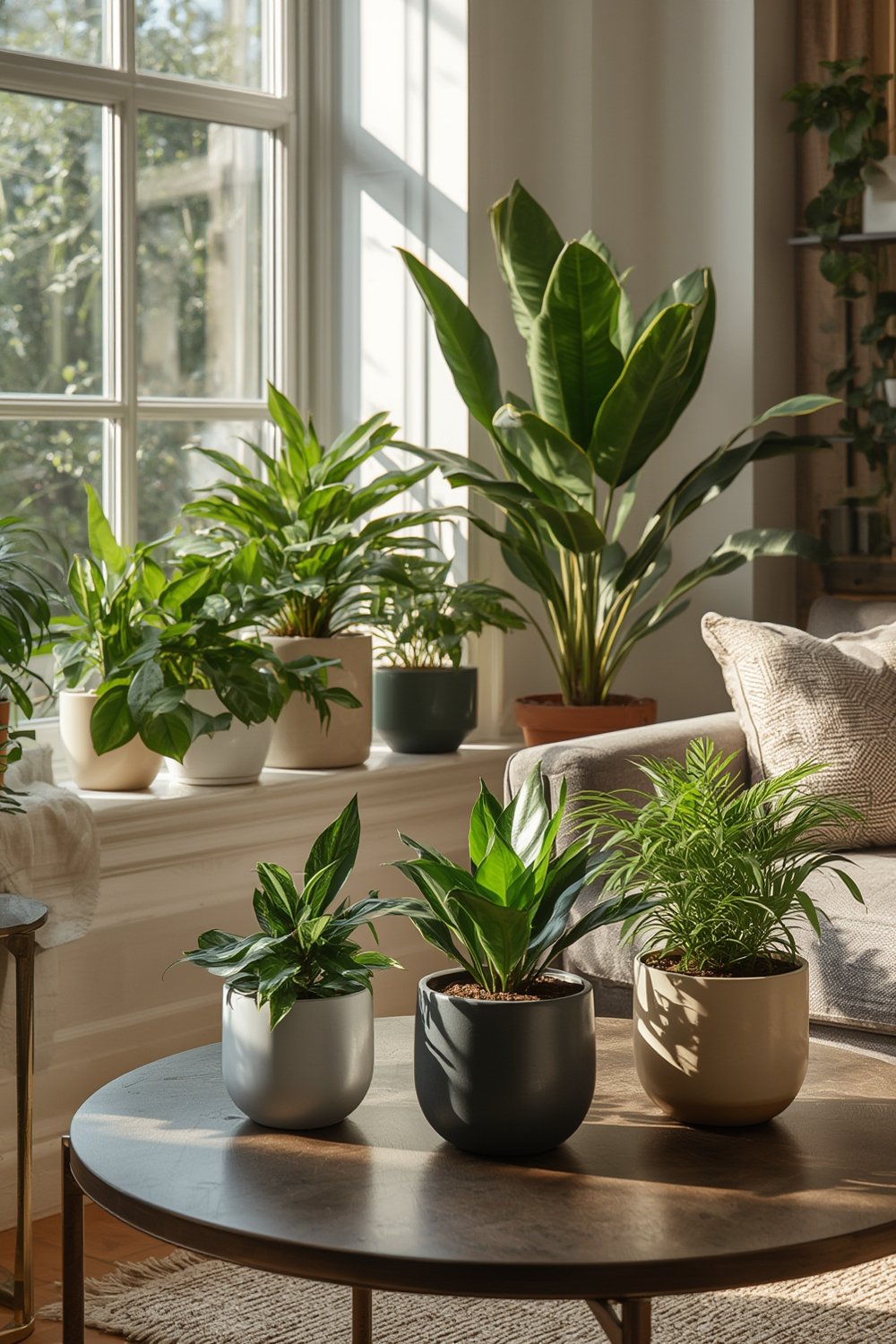
Self watering planters are containers designed to water your plants automatically via a hidden reservoir and internal wicking system. They’re especially popular for indoor use, where regular watering may not fit into a busy schedule or may be easy to forget. According to the latest global market analysis, indoor self watering pots now account for over half of all automatic watering pot sales, fueled by urban living and increased interest in houseplants as décor and air purifiers.
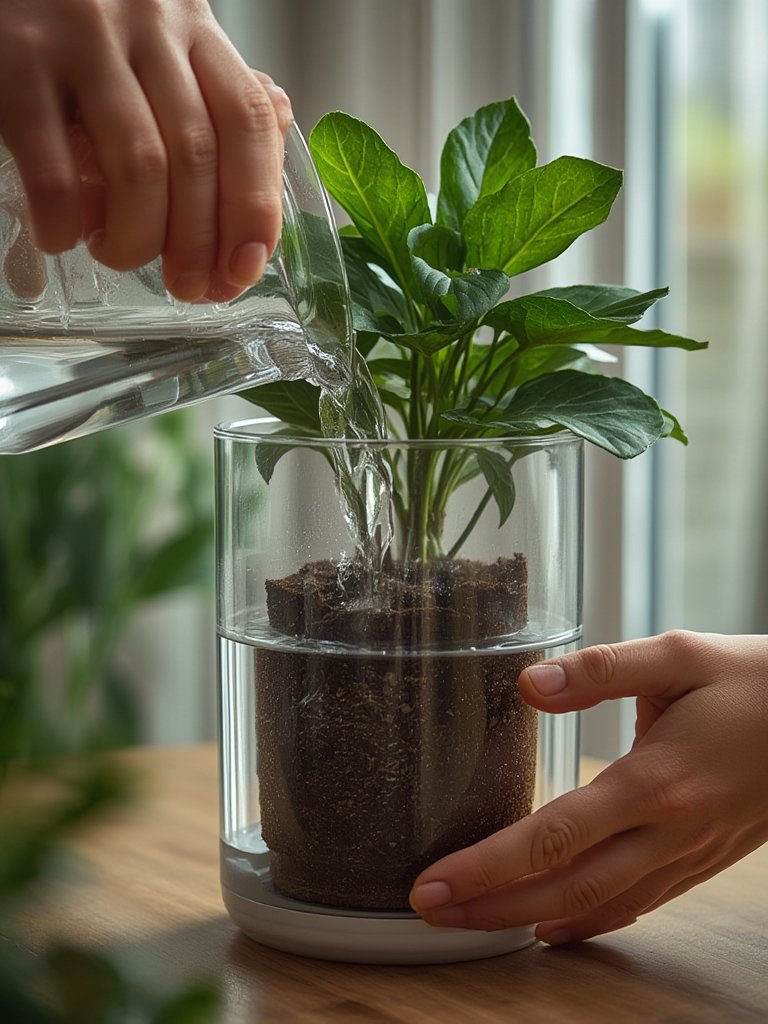
The basic idea: water is stored in a lower chamber separated from the soil. Capillary wicks or a column of soil “draws up” moisture as the plant uses it, keeping roots hydrated with less risk of sudden drought. Higher-end models add water-level indicators or electronic sensors. The main promise is convenience, but research and user reviews point to important factors you shouldn’t overlook:
- The right planter with reservoir can extend watering intervals from days to weeks—provided you match reservoir size, plant type, and room conditions.
- Quality and durability vary widely across brands; issues like poor wicking, leaks, or overwatering can harm certain plants.
- Most indoor self watering planters are plastic, but ceramic, composite, and metal options are available for design or sustainability goals.
How to Use Self Watering Planters: Step-by-Step
- Pick the right planter for your plant and space.
- Consider planter size, reservoir capacity, material, and if a water-level indicator is needed.
- Certain plants (pothos, philodendron, peace lily) thrive, but cacti and succulents usually need more dry-out cycles.
- Prep the wicking system
- Before planting, moisten the wick/capillary column fully so it starts working instantly.
- Install as directed—poor setup is a leading cause of failure.
- Add substrate and plant
- Use a well-draining, capillary-compatible soil mix. Avoid extremes—too dense and the wick can clog, too coarse and capillarity fails.
- Plant as you would in any pot, ensuring roots are above the wicking zone and not sitting directly in water.
- Water from the top for the first week
- This helps roots find their way to the wicking zone before relying on the reservoir, as emphasized in the latest industry guides.
- Fill the reservoir properly
- Check for the fill port or indicator, and note the capacity. Avoid overfilling—overflow could cause leaks and furniture damage.
- Remember that real-world watering intervals can be much shorter than marketing claims; check soil and plant every few days until you learn the cycle.
- Monitor and maintain
- Periodically check for clogs, clean the reservoir, and inspect the water-level indicator. Replace wicks as needed (every 6–18 months for most models).
- Clean the pot, especially in warm or sunny spots, to prevent algae or odors.
Looking for more flexible solutions? Many savvy indoor gardeners combine raised garden beds outside with compact indoor self watering desk planters for year-round freshness. Smart planters add sensors and app control, starting at about $80 per unit, as noted in the 2024 smart planters market report.
Advanced Analysis & Common Pitfalls
Recent industry tracking and review data point to several common issues seen across top indoor self watering planters and pots:
- Overwatering & Root Rot: Leaving the reservoir full at all times is not suitable for every plant, especially succulents or Mediterranean herbs. Root rot and fungus gnats are frequent complaints—some planters lack instructions or controls to prevent this.
- Shorter Than Expected Watering Duration: Warm, bright, or dry rooms can drain the reservoir in just days, not weeks. Claims on packaging are sometimes based on “ideal conditions.”
- Poor Wick Performance: If the wick is poorly placed, sized, or clogs with algae or fine soil, water transport may stop entirely in part of the pot.
- Reservoir Filling Hassles: Narrow or hidden fill ports mean refills are a struggle. Some high-style pots skip water-level indicators altogether, making them risky for busy users.
- Design Flaws: Aesthetics can beat practicality—too-tall pots can tip over easily, and shallow soil above a deep reservoir can stunt root growth.
- Material and Durability Issues: Thin plastic can warp, crack, or leak, especially near sun or heat. Cheaper units often fail within a couple of seasons.
- Cleaning Hassles: Multi-piece designs gather algae and need full disassembly—tedious for those wanting low-maintenance care.
| Feature | Budget Plastic | Premium Plastic | Ceramic | Composite/Eco | Smart Planters |
|---|---|---|---|---|---|
| Price (Small) | $5–15 | $15–35 | $15–40 | $20–40 | $80–300+ |
| Reservoir Size | 0.3–1.0L | 0.6–1.5L | 0.5–1.2L | 0.7–1.2L | 0.7–2L (+monitoring) |
| Common Issues | Leaks, fading, poor wicks | Indicator failure, warping | Heavy, prone to cracks | Durability, price | Sensor malfunctions |
| Typical Duration | 3–5 days (small) | 5–7 days | 4–7 days | 5–8 days | App-controlled |
| Cleaning Ease | Fair | Fair–Good | Hard (weight) | Fair | Good, but electronics risk |
| Best For | Budget/decor | Everyday use | Premium look | Eco focus | Tech lovers |
It’s also smart to consider environmental impacts. While compost tumblers help with plant waste, most self watering planters are plastic-heavy and require thoughtful disposal after years of use. The positive: reduced water waste and plant deaths. The caution: composite and ceramic options, or models made from recycled materials, offer a greener choice.
Cost-wise, most indoor self watering pots range anywhere from $5 to over $150, depending on material, brand, size, and smart features. For a full breakdown, leading industry reports like this 2024 market analysis detail price ranges and feature trends.
For serious indoor plant parents, consider the total cost of ownership: upfront price, potential plant loss, time spent cleaning and maintaining, and eventual disposal or recycling.
Conclusion
Self watering planters offer freedom and peace of mind to busy indoor gardeners, but smart shopping is essential. Watch for issues around wicking, overwatering, and ease of maintenance, especially if you opt for a budget model over a high-end design. Match the size and reservoir to your plant’s needs, and don’t neglect occasional manual checking. With the right pick, you can enjoy lush houseplants—even with a full calendar. Ready to upgrade? Explore our curated lists of indoor grow lights, pet water fountain solutions, cat wall furniture for vertical green walls, and multifunctional fire pit tables to round out your home oasis. Invest in the right self watering planters today and grow with confidence.
Frequently Asked Questions
How long does a self watering planter really last between refills?
Most small to medium indoor self watering pots last 3–7 days, while larger models can go up to 2–3 weeks. Performance depends on plant size, room temperature, and humidity. Don’t rely on marketing claims—check soil and reservoir for your conditions.
Do self watering planters work for all plant types?
They work well for many leafy houseplants, herbs, and even some vegetables. Avoid using for succulents, cacti, or Mediterranean herbs without modifications, as constant moisture can kill these plants.
What are the main maintenance tasks for self watering planters?
Check and clean the reservoir every 1–2 months to prevent algae and odors. Replace the capillary wick about once a year, or sooner if it clogs or discolors. Inspect water-level indicators for accuracy and watch for leaks.
Are self watering planters environmentally friendly?
They save water and may reduce plant loss, but often use more plastic than traditional pots. Composite and ceramic options, or models made from recycled materials, offer a greener choice. End-of-life recycling can be challenging for mixed-material planters.
Can I retrofit a regular planter to be self-watering?
Yes, you can insert a cotton or polyester rope as a wick through the drainage hole so it sits in a water dish beneath the pot. This simple hack turns basic indoor pots into basic self watering systems.